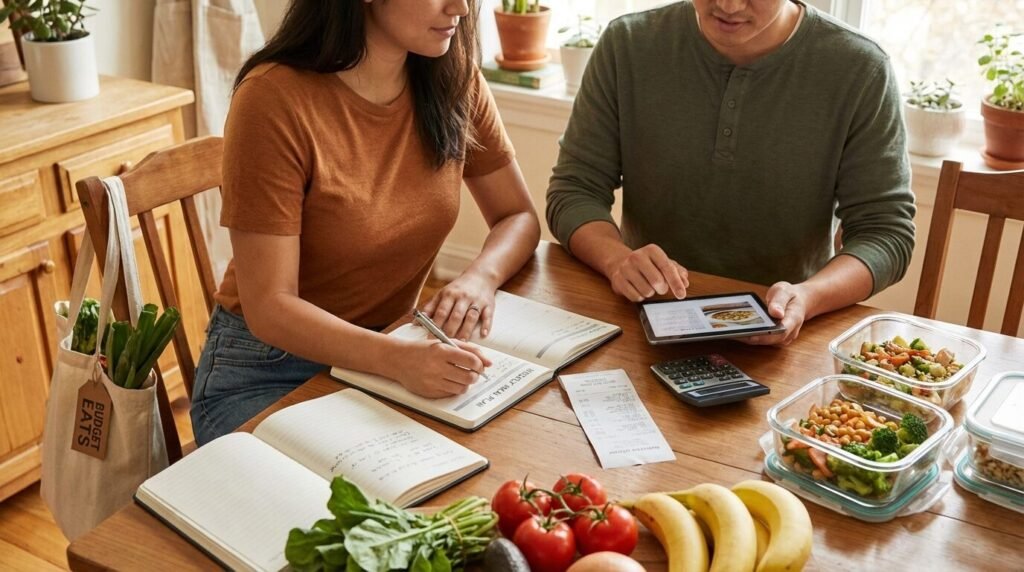
Oh, the age-old dinner dilemma for two! My partner and I used to spend way too much time staring into the fridge, then sighing and ordering takeout. Sound familiar? We loved the convenience, but our bank account definitely didn’t. It felt like every grocery trip cost a small fortune, and half of what we bought ended up wilting in the back of the crisper.
If you’re anything like us, you’re probably dreaming of delicious, homemade meals that don’t require a second mortgage or a mountain of wasted food. I’m here to tell you it’s absolutely possible to eat well, save money, and enjoy cooking together, even with just two mouths to feed. Let’s dive into some of my favorite strategies that have totally transformed our budget and our meal times!
1. Embrace the Power of a “Theme Night” Schedule
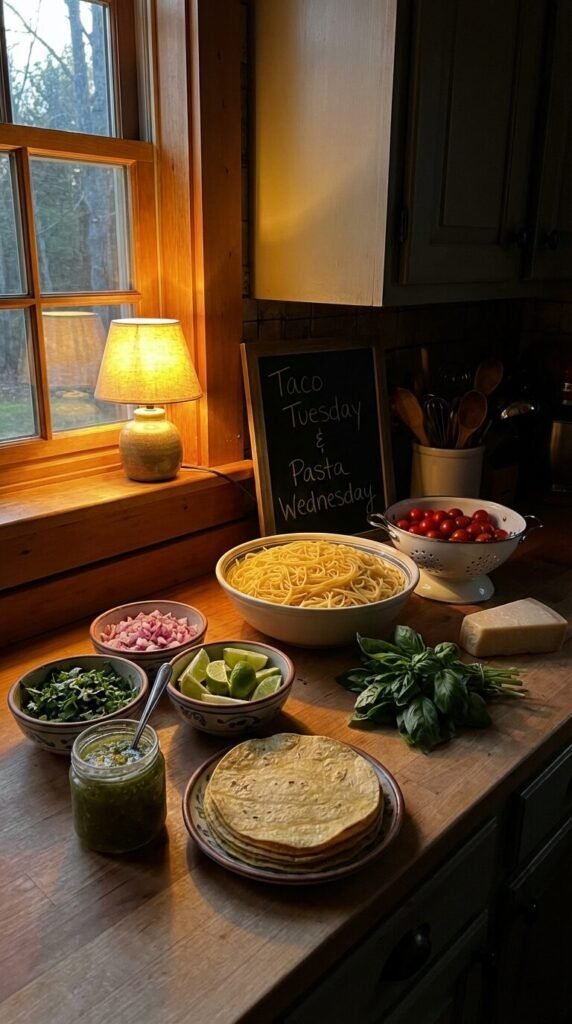
When I first started meal planning, I felt overwhelmed. So many choices! Then I discovered theme nights, and it was a game-changer. Think “Taco Tuesday,” “Pasta Wednesday,” “Soup & Sandwich Thursday,” or “Pizza Friday.” This simple structure cuts down on decision fatigue and helps you build a rotating repertoire of affordable meals.
It’s not about rigid rules, but more about inspiration. Knowing it’s “pasta night” nudges me towards affordable staples like dried pasta, canned tomatoes, and seasonal veggies, rather than reaching for expensive cuts of meat. Plus, it makes grocery shopping a breeze when you know the general direction you’re headed.
2. Shop Your Pantry First, Then Make a List
Before you even think about the grocery store, open your fridge, freezer, and pantry. What do you already have? That half-bag of rice, the can of chickpeas, those frozen veggies – they’re gold! Build your meals around these existing ingredients to minimize waste and impulse buys.
My partner and I sit down once a week, often with a cup of tea, and brainstorm what we can make. We then make a precise shopping list, sticking to it like glue. This simple habit has saved us so much money over time. It’s also a fantastic way to discover new flavor combinations and get creative with what you have!

3. Cook in Batches & Repurpose Leftovers Creatively
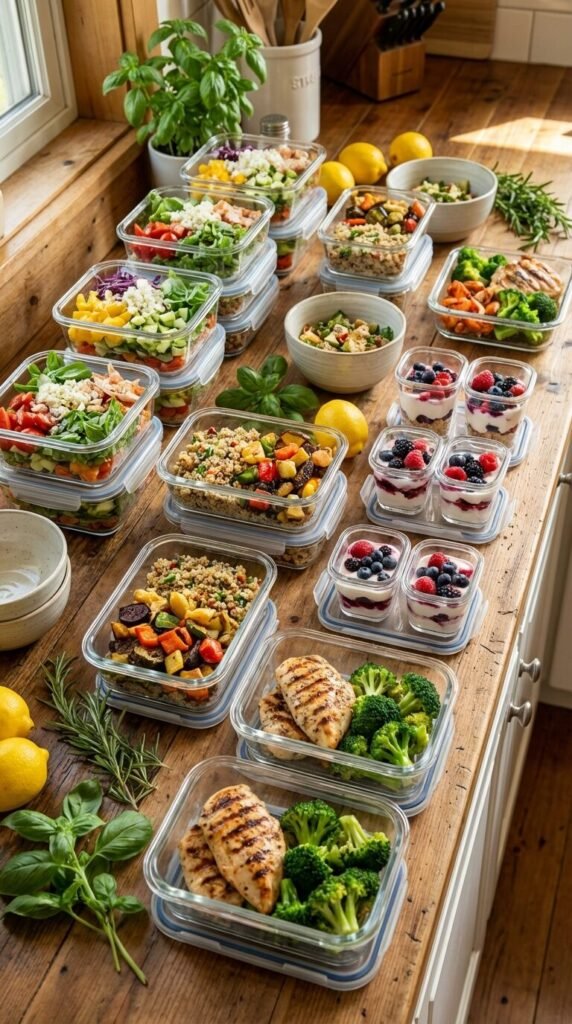
For two people, cooking a single meal can sometimes feel like just as much effort as cooking a larger portion. So, I started cooking smarter, not harder! I’ll often double a recipe for dinner, and then use the leftovers for lunch the next day, or freeze a portion for a busy evening down the line. We love having quick, healthy meals ready to go.
The trick is to repurpose, not just reheat. Leftover roasted chicken can become chicken tacos, a pasta salad, or a base for soup. A big batch of chili can be served with rice one night, then as chili dogs or on baked potatoes another. Having good Airtight Food Storage Containers is crucial for keeping these prepped meals fresh and delicious. It makes such a difference in reducing food waste and making sure your hard work pays off!
4. Master Budget-Friendly Protein Sources
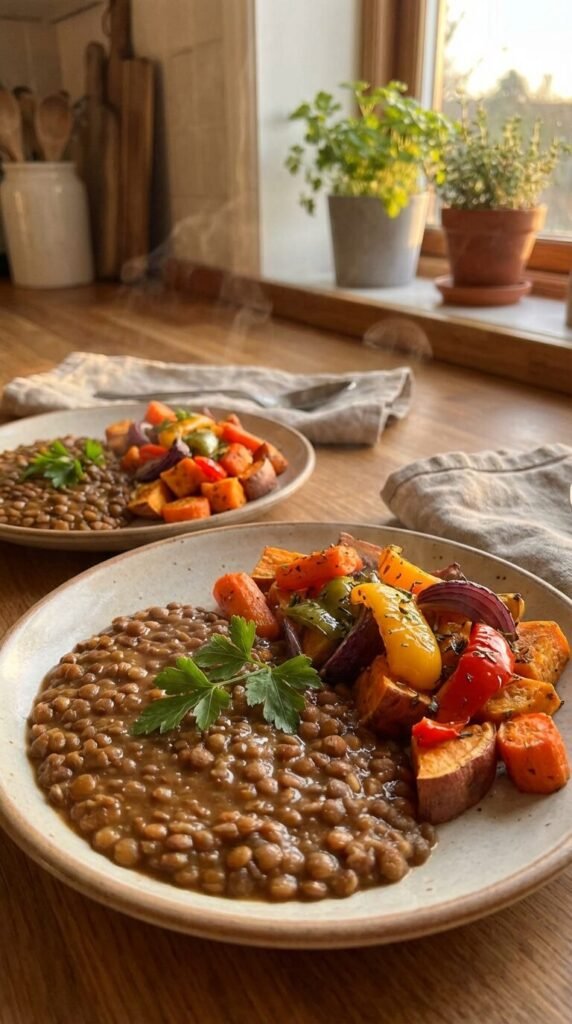
Meat can be expensive, especially for two people. My advice? Prioritize affordable protein sources. Eggs are incredibly versatile and cheap – think frittatas, shakshuka, or even just scrambled eggs for a quick dinner. Legumes like lentils, chickpeas, and black beans are nutritional powerhouses and cost next to nothing. We often do a meatless Monday, and it’s become one of our favorite at-home date ideas.
Even if you enjoy meat, look for sales on chicken thighs (cheaper than breasts!), ground meat, or less popular cuts that can be slow-cooked. Plant-based meals are not only good for your wallet but also open up a whole world of delicious recipes. You might even discover new favorites!
5. Embrace Frozen & Canned Produce
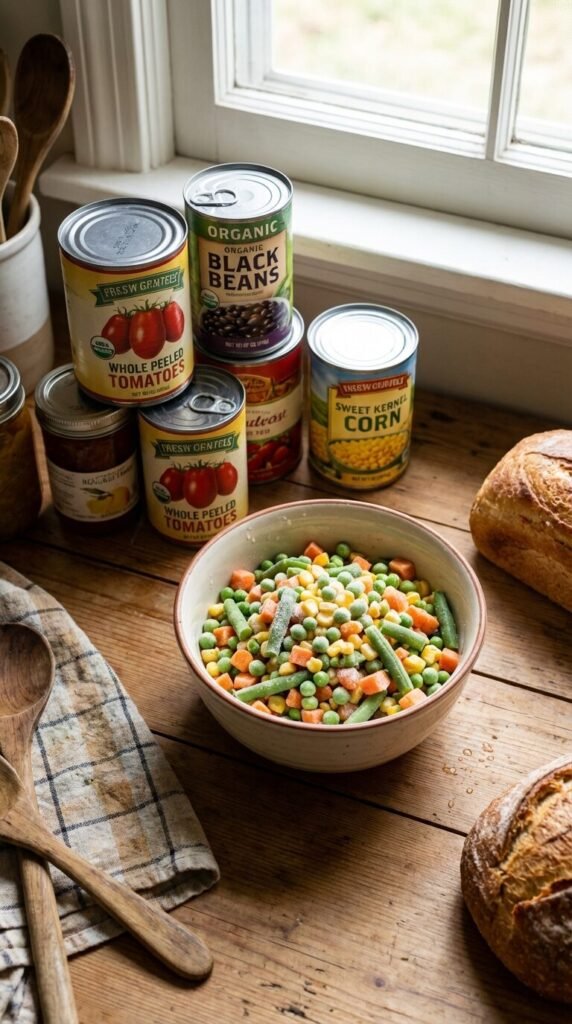
Fresh produce is lovely, but it can be pricey and spoil quickly for a smaller household. Don’t shy away from frozen fruits and vegetables! They’re often picked at their peak ripeness, flash-frozen to retain nutrients, and significantly cheaper than their fresh counterparts. Plus, no chopping required!
Canned goods like diced tomatoes, corn, and beans are pantry staples that can elevate any meal. I always keep a stock of these on hand for last-minute meal ideas. They’re perfect for whipping up a quick soup or casserole without a huge fuss. Remember, healthy eating on a budget doesn’t mean sacrificing nutrition.
6. Make Your Own Staples (or Buy in Bulk Smartly)
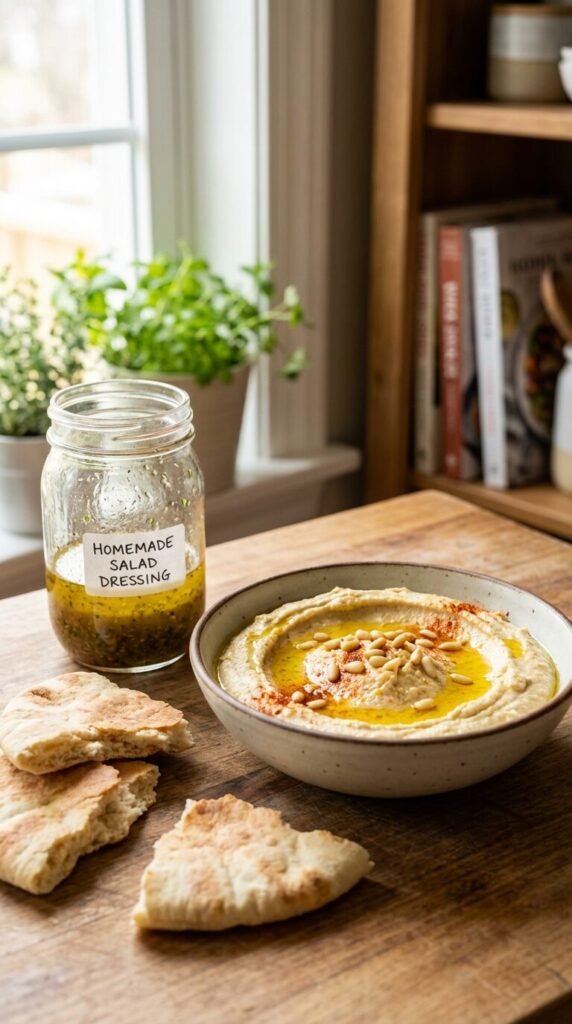
Things like salad dressing, hummus, or even bread can be surprisingly expensive. Making your own is often cheaper and tastier! A simple vinaigrette takes minutes, and a batch of homemade hummus lasts for days. If you’re into baking, a KitchenAid Stand Mixer can be a fantastic investment for making your own bread, pasta, or even large batches of cookie dough for freezing – which can really cut down on costs over time.
For items you can’t or don’t want to make, consider buying shelf-stable staples like rice, pasta, and oats in larger quantities when they’re on sale. But be realistic! For two people, a giant sack of flour might go stale before you use it all. Smart bulk buying means buying only what you’ll realistically consume.
7. Track Your Spending & Measure Portions
This might sound a bit like homework, but bear with me! Knowing exactly where your money goes on groceries is incredibly eye-opening. For a few weeks, I tracked every food purchase. It helped me identify patterns and areas where we could cut back. This doesn’t mean depriving yourselves, but rather making conscious choices.
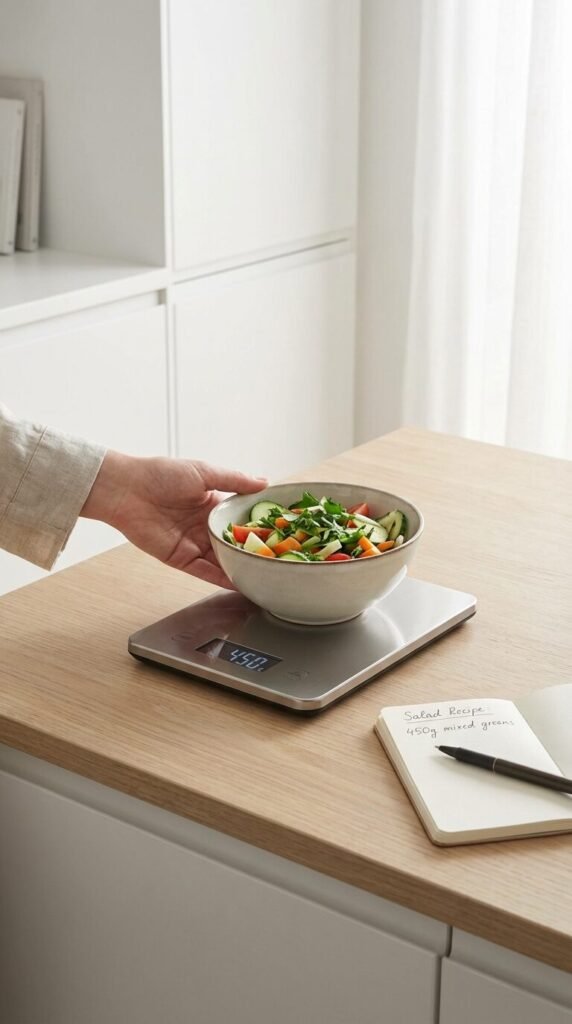
Another tip, especially for portion control and ensuring you’re getting the right amount for two, is to use a Digital Kitchen Scale. It’s not just for baking; I use mine constantly for things like pasta, rice, or even protein portions.
It helps prevent overcooking and ensures we’re not inadvertently making meals for four when we only need two servings, which drastically reduces waste and saves money in the long run. It’s one of my go-to tools for efficient cooking and making sure my cheap date ideas for a meal at home are perfectly portioned.
Ready to Savor the Savings?
Meal planning for two on a budget doesn’t have to be boring or restrictive. It’s about smart choices, a little bit of foresight, and getting creative in the kitchen. My partner and I have found so much joy in this process – not just in the savings, but in the delicious meals we share and the peace of mind knowing we’re eating well without breaking the bank.
Give these ideas a try, and I promise you’ll start seeing a difference in your grocery bill and your stress levels. What are your favorite budget meal planning tips? Share them in the comments below!
FAQs
Q: How much should two people spend on groceries per week?
A: This varies greatly by location and diet, but many budget-conscious couples aim for $75-$150 USD per week. By following these tips, you might even find yourselves below that! Tracking your spending will help you find your sweet spot.
Q: What are the best cheap meals for two?
A: Think pasta with homemade sauce, lentil soup, bean chili, egg fried rice, sheet pan dinners with seasonal veggies and chicken thighs, or homemade pizza. These are all versatile, affordable, and easy to scale for two.
Q: How can I avoid food waste when cooking for two?
A: Portion control, smart meal planning (using what you have), repurposing leftovers, and freezing excess portions are key. Don’t be afraid to halve recipes or buy smaller quantities of perishable items if you know you won’t use them all.