Feeling that gnawing, burning pain in your stomach can be absolutely debilitating. I remember years ago, after a particularly stressful period, I started experiencing intense stomach discomfort, bloating, and a constant dull ache. It turned out to be gastritis, and honestly, it felt like my gut was constantly on fire. My doctor recommended a strict diet alongside medication, and while daunting at first, I quickly learned that what I put into my body made all the difference. This isn’t just about avoiding triggers; it’s about embracing healing foods.
If you’re dealing with the misery of gastritis, know you’re not alone. The good news is, a carefully chosen gastritis diet can be your most powerful ally in reducing inflammation, soothing your stomach lining, and getting you back to feeling like yourself. Let’s dive into the delicious, gut-friendly foods that can bring you relief.

The Power of Bland: Your Gastritis-Friendly Food Foundations
When your stomach is inflamed, bland isn’t boring – it’s brilliant. These foundational foods are gentle on your digestive system, minimizing irritation while providing essential nutrients. Think of them as your gut’s best friends.
Lean Proteins: Essential for tissue repair without overworking your digestive system.
Chicken Breast (skinless, boneless): Baked, grilled, or boiled. Avoid frying!
Turkey: Similar to chicken, lean and easy to digest.
Fish (white, lean): Cod, halibut, tilapia, steamed or baked.
Eggs: Boiled, poached, or scrambled with minimal fat.
Non-Acidic Fruits: While many fruits are high in acid, these are generally well-tolerated.
Bananas: A natural antacid, easy to digest.
Melons: Cantaloupe, honeydew are refreshing and hydrating.
Applesauce: Unsweetened and cooked, much gentler than raw apples.
Pears: Cooked or very ripe and peeled.
Gentle Vegetables: Cooked and peeled are often best to reduce fiber and make them easier on the gut.
Potatoes: Boiled, baked, or mashed (without butter or rich cream).
Carrots: Steamed or boiled.
Green Beans: Steamed.
Spinach: Cooked and well-chopped.
Asparagus: Steamed.
Soothing Grains: Opt for simple, low-fiber options.
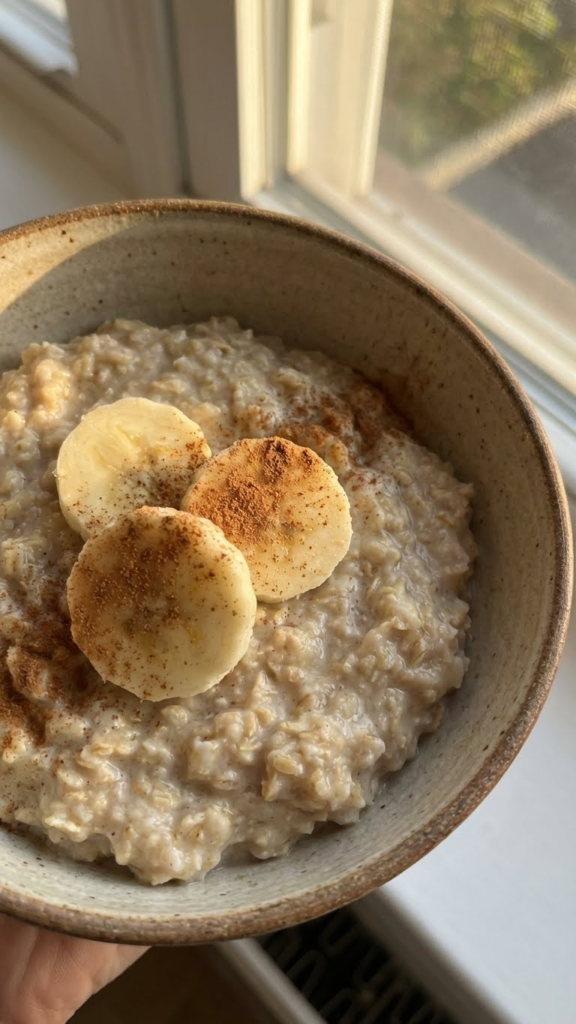
Oatmeal: Plain, cooked with water or non-dairy milk.
White Rice: Easy to digest and very low in fiber.
Plain Pasta: Cooked al dente.
Whole Wheat Bread/Crackers: In moderation, look for low-fiber options.
Remember, what works for one person might not work for another. It’s a journey of discovery. Sometimes, making small adjustments, like focusing on comfortable clothing during your healing process, can make a difference in your overall well-being. For ideas on feeling good in your everyday wear, check out our guide on The 7 Essential Casual Everyday Outfits.
Beyond the Basics: Anti-Inflammatory & Healing Foods
Once your stomach starts to calm down, you can slowly introduce more foods known for their anti-inflammatory properties, but always proceed with caution and listen to your body.
Healthy Fats (in moderation):
Avocado: A great source of healthy fats, but start with small portions.
Olive Oil: Use in cooking or as a dressing, but avoid excessive amounts.
Dairy Alternatives:
Almond Milk/Coconut Milk: Unsweetened varieties can be easier on the stomach than cow’s milk for some.
Herbal Teas:
Chamomile Tea: Known for its calming properties.
Ginger Tea: Can help with nausea, but too much fresh ginger might be irritating for some.
Licorice Root Tea: Can help coat the stomach lining, but check with your doctor, especially if you have blood pressure issues.
Probiotic-Rich Foods (introduce very slowly):
Yogurt (plain, unsweetened, low-fat): Contains live cultures that can help restore gut balance.
Kefir: Similar to yogurt, but liquid form.
Fermented Vegetables (e.g., sauerkraut): Small amounts once your gut is less sensitive.
Finding comfortable and stylish options can also boost your mood, even on difficult days. Sometimes, just putting on an outfit that makes you feel good, even if it’s for staying home, can be part of your healing routine. Discover more about balancing comfort and style in 5 Cold Weather Outfit Formulas for January.

Foods to Avoid: Your Gastritis Trigger List
Just as important as knowing what to eat is understanding what to *avoid*. These foods are notorious for irritating an inflamed stomach lining.
High-Acid Foods:
Citrus Fruits: Oranges, lemons, grapefruits, and their juices.
Tomatoes: Raw, cooked, or in sauces.
Vinegar: Found in dressings, pickles, and some condiments.
Spicy Foods:
Hot peppers, chili powder, and anything with a kick.
Fatty & Fried Foods:
Deep-fried items, greasy fast food, high-fat meats.
Caffeine & Alcohol:
Coffee, black tea, energy drinks, soda, alcoholic beverages. These can significantly irritate the stomach.
Processed Foods & Sugary Snacks:
Often contain artificial ingredients, high sugar, and unhealthy fats that can exacerbate inflammation.
Dairy (for some):
Full-fat milk and cheese can be difficult to digest for some individuals.
Finding a routine that makes you feel good is crucial during a health challenge. Just like a well-thought-out wardrobe can bring comfort and confidence, a tailored diet can bring healing. For more ideas on simple self-care in your daily routine, consider exploring posts like 7 Elevated January Outfits for Casual Winter Style, focusing on everyday comfort.
Wrapping Up Your Gut-Healing Journey
Navigating a gastritis diet might seem overwhelming at first, but with this soothing food list, you’re empowered to make choices that truly heal. Remember, consistency is key, and listening to your body’s unique signals is paramount. Healing your gut is a journey, not a race, and every gentle, nourishing bite takes you one step closer to comfort and vitality.
Don’t let stomach pain hold you back. Start incorporating these gut-friendly foods today and discover the relief they can bring! If this guide helped you find some much-needed relief, please *save* this post to your Pinterest board – your gut (and fellow sufferers!) will thank you.
FAQs
Q1: Can I ever eat spicy food again with gastritis?
While healing, it’s best to completely avoid spicy foods as they can severely irritate the stomach lining. Once your symptoms have significantly improved and your doctor gives the go-ahead, you might cautiously try very mild spices in small amounts, but always be prepared to revert if symptoms return. Many people with chronic gastritis find they need to avoid them long-term.
Q2: How quickly will I see results from a gastritis diet?
The timeline for improvement varies greatly among individuals. Some people notice a reduction in symptoms within a few days to a week of strictly adhering to a bland diet. For others, it might take several weeks or even months to achieve significant relief. Consistency is vital, and combining diet with any prescribed medications often yields the best results.
Q3: Is it okay to eat whole grains on a gastritis diet?
While whole grains are generally healthy, their high fiber content can be irritating for some with acute gastritis. During the initial healing phase, it’s often recommended to stick to refined grains like white rice or plain white bread. As your symptoms improve, you can slowly reintroduce whole grains like oatmeal or whole wheat bread in small portions, paying close attention to how your body reacts.