There’s a unique kind of love that comes with caring for our parents as they age. I remember when my own grandmother started struggling with her energy levels. She’d always been so vibrant, but suddenly, even her favorite activities felt like too much.
It was a wake-up call, and it made me realize just how crucial nutrition is in fighting off weakness and the common challenges of ageing. It wasn’t about fancy diets, but about getting the right, simple foods into her day.
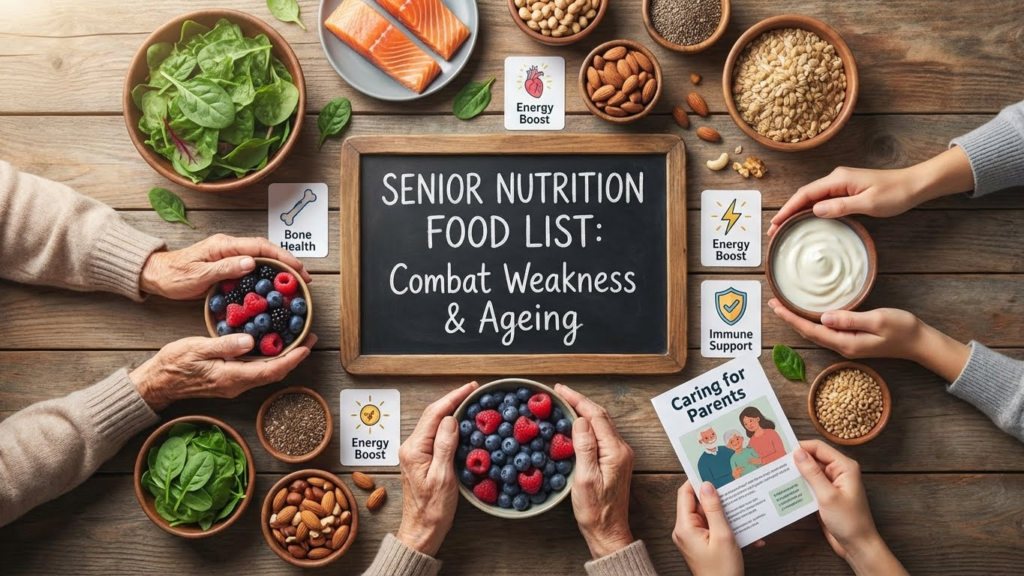
This post is for anyone navigating the beautiful, sometimes challenging, journey of senior care. We’re diving into a practical, easy-to-follow senior nutrition food list designed to boost strength, enhance vitality, and make daily life a little brighter for our loved ones. Let’s make their golden years truly golden.
The Power of Protein: Building Blocks for Senior Strength
Protein isn’t just for bodybuilders; it’s absolutely vital for seniors. As we age, muscle mass naturally declines, a process called sarcopenia. Adequate protein intake helps to counteract this, maintaining strength, mobility, and even wound healing. Think of it as the ultimate anti-weakness weapon.
- Lean Meats & Poultry: Chicken breast, turkey, and lean cuts of beef provide essential amino acids. Aim for smaller, more frequent portions.
- Fish: Salmon, tuna, and cod are not only packed with protein but also omega-3 fatty acids, which are great for brain health and reducing inflammation.
- Eggs: The incredible edible egg! They’re easy to chew, versatile, and a complete protein source. Scrambled, boiled, or poached – endless possibilities.
- Dairy: Greek yogurt, cottage cheese, and milk are fantastic sources of protein and calcium. Opt for plain varieties to control sugar intake.
- Legumes & Lentils: For plant-based protein, beans, lentils, and chickpeas are powerhouse options. They also bring a wealth of fiber.
Fiber & Fluids: The Digestive Duo for Ageing Well
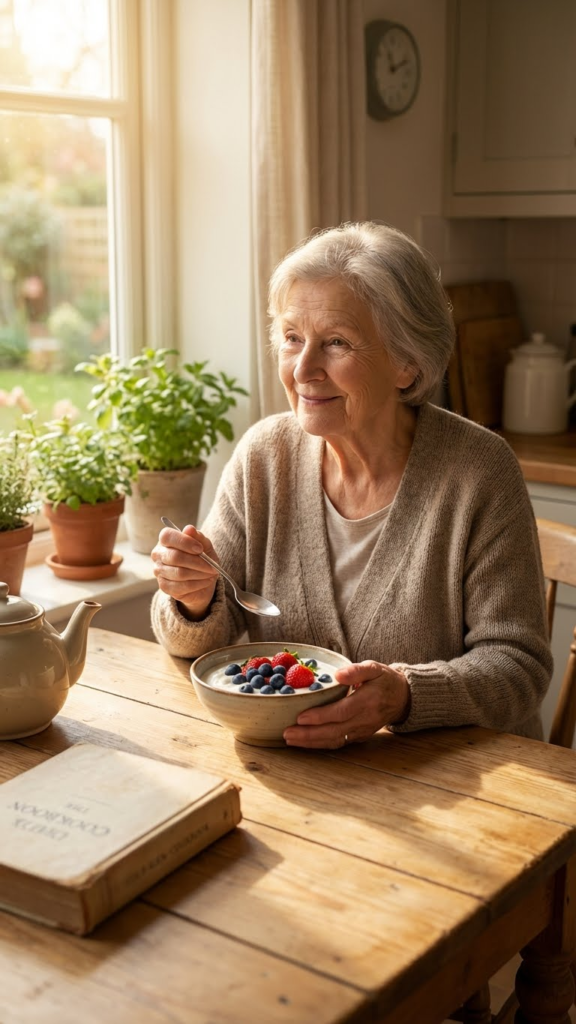
Digestive health can often become a concern for seniors. Constipation and discomfort can reduce appetite and overall well-being. A diet rich in fiber combined with ample hydration is a simple yet powerful solution.
- Whole Grains: Oats, whole wheat bread, brown rice, and quinoa provide complex carbohydrates and vital fiber. They also offer sustained energy.
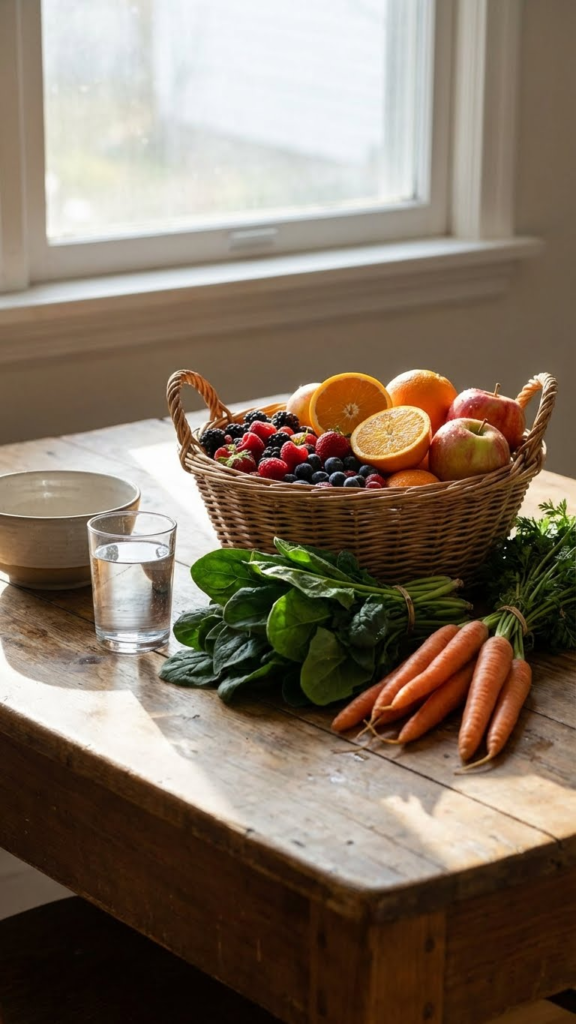
- Fruits: Berries, apples, pears, and oranges are full of fiber, vitamins, and antioxidants. Make sure they are ripe and easy to chew.
- Vegetables: Leafy greens (spinach, kale), broccoli, carrots, and sweet potatoes are nutrient-dense and fiber-rich. Steaming or roasting makes them tender.
- Water: This might seem obvious, but dehydration is a common issue. Keep water, herbal teas, or diluted fruit juices readily available throughout the day.
✨ TOP PICK FROM FASHIONAURA.BLOG
Hydrating Hand Cream with SPF
Why this fits: Taking care of a loved one can be demanding. Remember to take moments for your own self-care, like protecting and moisturizing your hands. It’s a small luxury that can make a big difference.
Sometimes, when life gets busy, we forget the simple acts of self-care. Even something as small as ensuring our hands are protected and moisturized can bring a moment of calm. Just like we care for our parents’ nutrition, we need to ensure we’re looking after ourselves. For more ways to carve out little moments of joy, you might find inspiration in my post on Minimalist Magic: 15 Cherry Red Nails Short With Design (That Are Office Friendly) – a quick, chic way to feel put-together.
Essential Micronutrients: The Hidden Heroes
Beyond protein and fiber, specific vitamins and minerals play crucial roles in senior health, impacting everything from bone density to cognitive function and immune response.
Calcium & Vitamin D: For Strong Bones
- Dairy Products: Milk, cheese, and fortified yogurts are excellent sources of calcium.
- Fortified Foods: Orange juice, cereals, and plant-based milks often have added calcium and Vitamin D.
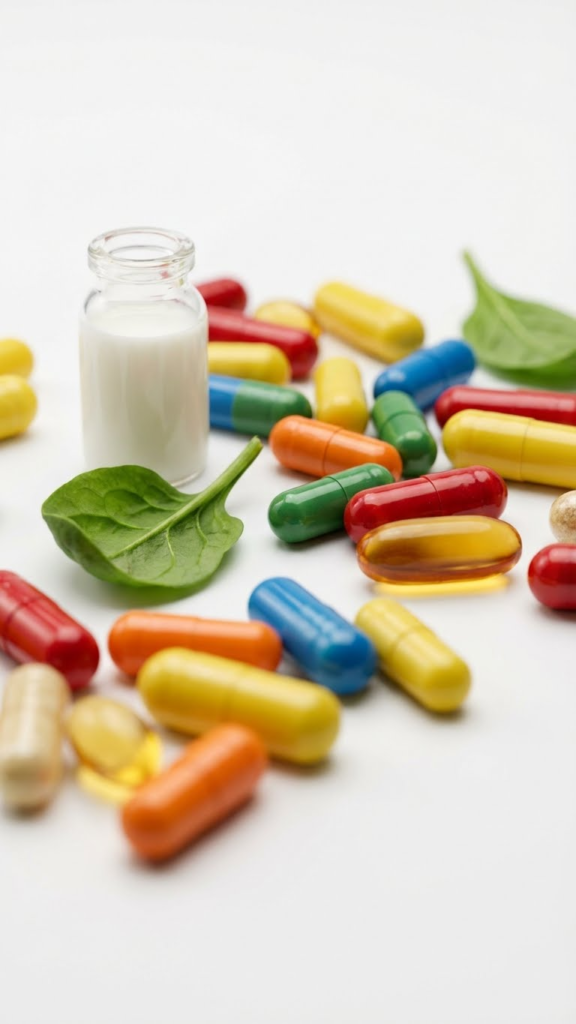
- Sunshine & Supplements: Encourage safe sun exposure (with doctor’s approval) and discuss Vitamin D supplements with their physician.
B Vitamins: Energy & Brain Health
- Whole Grains: Many whole grains are rich in B vitamins, essential for energy metabolism.
- Leafy Greens: Folate (B9) is abundant in spinach, kale, and broccoli.
- Meat & Fish: B12 is primarily found in animal products, crucial for nerve function.
Antioxidants: Fighting Ageing at a Cellular Level
- Colorful Fruits & Veggies: Berries, bell peppers, tomatoes, and dark leafy greens are packed with antioxidants like Vitamins C and E.
✨ TOP PICK FROM FASHIONAURA.BLOG
Nail Polish Organizer Storage Case
Why this fits: A well-organized space can bring peace of mind and make daily routines smoother. Keeping things tidy, whether it’s nail polish or household essentials, reduces stress – something every caregiver can appreciate.
Staying organized around the house, whether it’s for preparing meals or managing medications, can significantly lighten the mental load. A tidy environment contributes to a calm mind, essential for both you and your parents. If you’re looking for more inspiration on creating organized, stress-free spaces, even if it’s for a different stage of life, check out College Dorm Inspo for Every Budget & Style in 2026. The principles of efficient storage apply everywhere!
Practical Tips for Meal Planning & Preparation
Knowing what foods are good is one thing; getting them into a meal schedule that works for seniors can be another challenge. Here are a few practical tips:
- Smaller, Frequent Meals: Instead of three large meals, try 5-6 smaller meals and snacks throughout the day to boost nutrient intake and prevent feeling overly full.
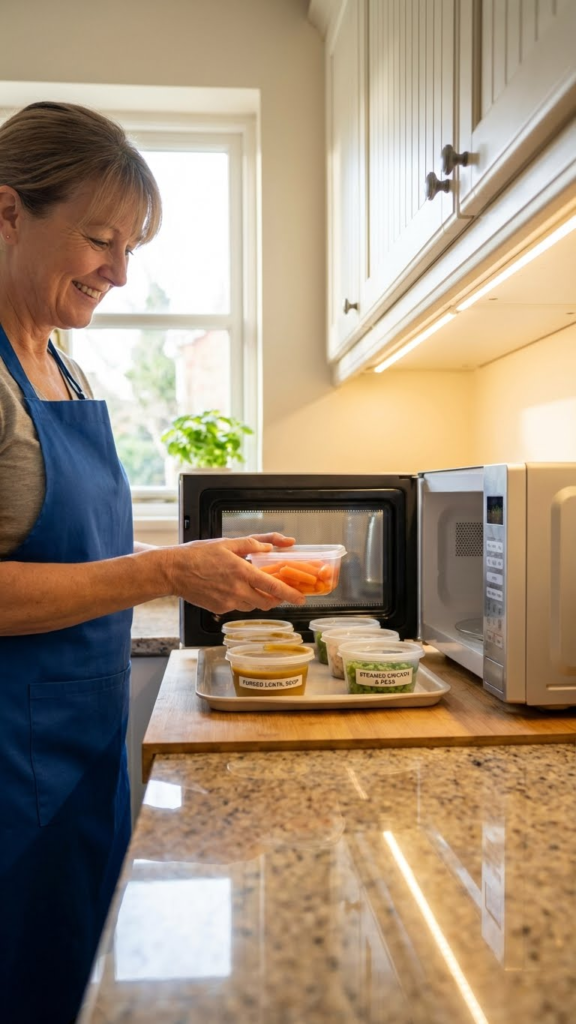
- Soft & Easy to Chew: Focus on foods that are easy to eat, especially if dental issues are present. Mashed vegetables, pureed soups, soft fruits, and finely chopped meats.
- Flavor Boosters: Use herbs, spices, and lemon juice to enhance flavor without relying on excess salt or sugar.
- Make it Social: Eating can be a lonely experience. Share meals when possible, or ensure a pleasant, comfortable environment.
- Batch Cooking: Prepare larger quantities of healthy meals and freeze individual portions for easy access on busy days.
✨ TOP PICK FROM FASHIONAURA.BLOG
Cuticle Oil Treatment Pen
Why this fits: In the hustle of caring for others, it’s easy to neglect yourself. This pen is a reminder for a quick, mindful pause – a small step towards feeling pampered and put-together, even when time is short.
Remembering to pause and give yourself a little TLC can be incredibly restorative. Whether it’s a quick five-minute break or making time for a favorite activity, these small acts of self-care are vital. Feeling good about yourself can even impact your energy levels and how you show up for your loved ones. You might find some ideas to boost your own confidence and style in 7 Elevated January Outfits for Casual Winter Style That You’ll Actually Wear, because caregivers deserve to feel good too!
Nourishing Their Golden Years
Caring for our parents is an act of profound love, and providing them with nourishing foods is one of the most impactful ways we can show it. This senior nutrition food list isn’t just about meals; it’s about giving them back energy, dignity, and a better quality of life. By focusing on protein, fiber, essential vitamins, and making meal times enjoyable, we can truly help combat weakness and the challenges of ageing.
What’s your go-to recipe or tip for feeding your elderly loved ones? Share your wisdom in the comments below! And if this guide helped you, please consider saving it to your favorite Pinterest board. You never know who else in your circle might need these valuable insights to support their ageing parents.
FAQs
Q: How can I encourage a picky senior parent to eat more?
A: Focus on smaller, more frequent meals and snacks throughout the day. Offer their favorite nutrient-dense foods, even if it’s repeated. Make meals appealing with varied colors and textures, and try using herbs and spices for flavor without excessive salt. Eating together can also encourage appetite.
Q: Are nutritional supplements necessary for seniors?
A: It depends on their individual dietary intake and health conditions. While a balanced diet should ideally provide all necessary nutrients, many seniors may benefit from supplements like Vitamin D, B12, and calcium, especially if appetite is poor or they have absorption issues. Always consult their doctor before starting any supplements.
Q: What are common signs of poor nutrition in elderly individuals?
A: Look for unexplained weight loss, fatigue, increased weakness, frequent infections, poor wound healing, changes in mood or cognitive function, and digestive issues like persistent constipation. If you notice any of these, it’s essential to consult a healthcare professional.