There was a time when I truly thought I was just chronically dehydrated, constantly dizzy, and perpetually fatigued. I’d chug water, yet still feel utterly drained. It wasn’t until I received my POTS diagnosis that a lightbulb finally went off: it wasn’t just water I needed, but *salt* – and a lot of it! Learning about the crucial role of high-sodium electrolytes for managing my Postural Orthostatic Tachycardia Syndrome was a game-changer. It transformed my approach to hydration and, honestly, my daily life.
If you’re living with POTS, you know the struggle is real. The dizziness, brain fog, fatigue, and heart palpitations can make simple tasks feel like climbing a mountain. But what if I told you that your kitchen could become a powerful pharmacy for managing these symptoms, all thanks to some easy, high-sodium electrolyte recipes? This isn’t just about sipping plain salty water; we’re talking about delicious, effective, and customizable drinks designed to help you thrive.
This article dives into the essential connection between high-sodium intake and POTS, offering practical, palatable recipes you can make at home. Get ready to shake up your hydration routine and discover how these simple concoctions can make a real difference.
Understanding POTS and the Power of Sodium
For those of us with Postural Orthostatic Tachycardia Syndrome (POTS), our bodies struggle to regulate blood pressure and heart rate, especially when changing positions. Gravity pulls blood down to our legs, and without proper regulation, less blood returns to the heart and brain. This leads to those all-too-familiar symptoms like lightheadedness, dizziness, and a racing heart.
So, where does sodium come in? A higher sodium intake helps increase blood volume. More blood volume means there’s more fluid circulating, which can help keep blood pressure from dropping too low and reduce that dramatic heart rate increase when you stand up. It essentially gives your cardiovascular system more “fuel” to work with against gravity.
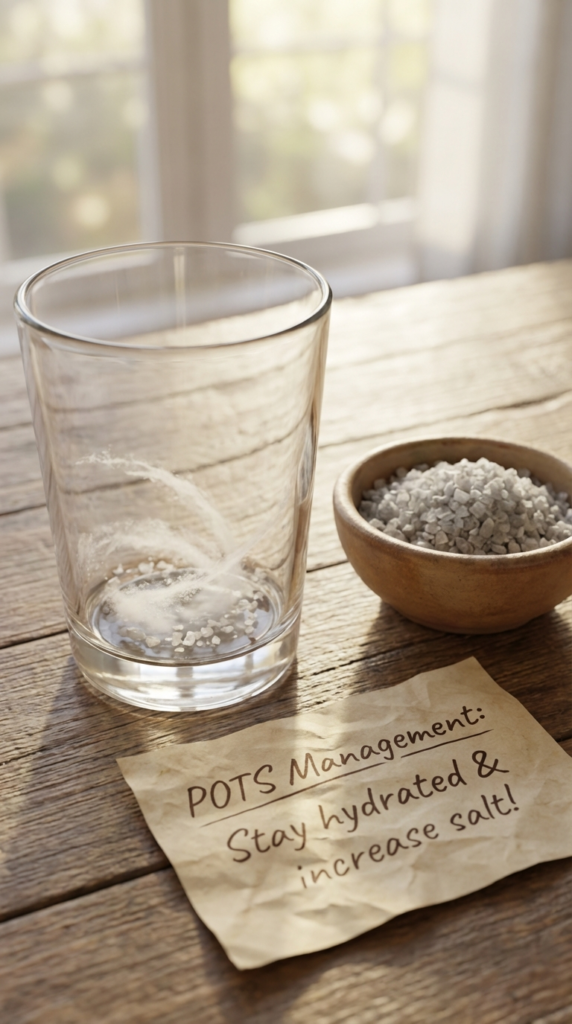
Many POTS patients are advised to consume significantly more sodium than the average person – often between 3,000 to 10,000 mg per day, depending on individual needs and doctor’s recommendations. This isn’t about adding a pinch to your dinner; it’s about a consistent, intentional increase in salt and fluids throughout your day.
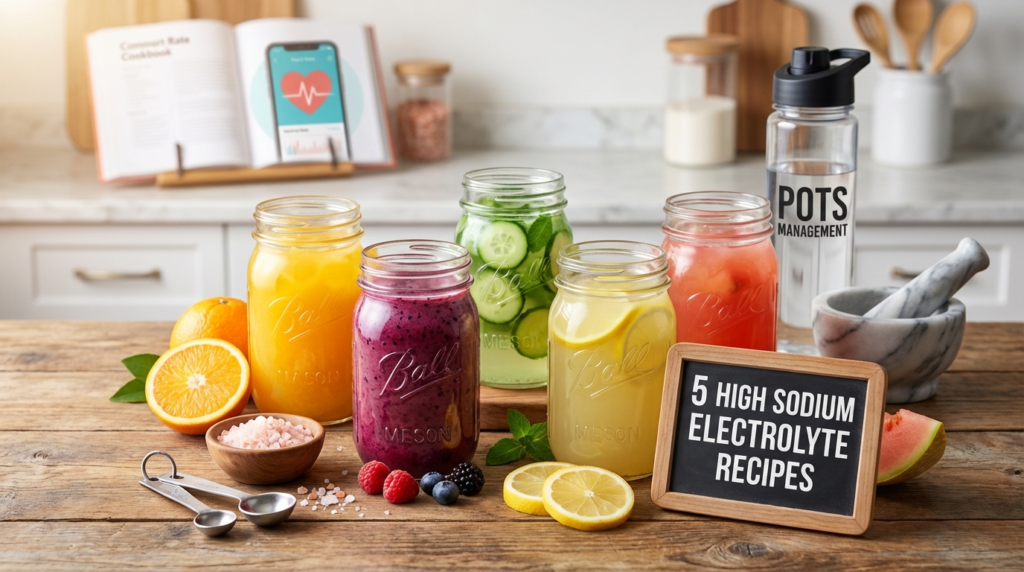
DIY High Sodium Electrolyte Recipes: Your Kitchen Pharmacy
Forget those sugary sports drinks! Making your own electrolyte solutions means you control the ingredients, avoiding artificial colors, flavors, and excessive sugar. Plus, it’s often much more cost-effective.
1. Simple Salty Citrus Elixir
This is my go-to for a quick and easy boost. It’s refreshing and perfect for sipping all day.
- 16 oz (2 cups) filtered water
- Juice of 1/2 lemon or lime (about 2 tablespoons)
- 1/4 teaspoon Himalayan pink salt or sea salt
- Optional: A tiny drizzle of maple syrup or honey for taste (if tolerated and preferred)
Combine all ingredients in a reusable water bottle and shake well until the salt dissolves. Keep this handy throughout your day!
✨ TOP PICK FROM FASHIONAURA.BLOG
High Quality Reusable Water Bottle
Why this fits: Essential for staying hydrated and mixing your homemade electrolyte drinks on the go.
2. Refreshing Electrolyte Spritzer
For something a little fancier, this spritzer adds a lovely fizz.
- 8 oz (1 cup) filtered water
- 8 oz (1 cup) sparkling water (unsweetened)
- 1/4 teaspoon sea salt
- 1/8 teaspoon potassium chloride (optional, but helpful for electrolyte balance)
- Juice of 1/2 orange or grape fruit
- Fresh mint leaves or cucumber slices for garnish

Mix still water, salts, and citrus juice. Pour into a glass over ice, top with sparkling water, and garnish. This feels like a treat!
Elevating Your Electrolyte Game with Flavor & Function
Sometimes, you need more than just salty water. These recipes incorporate other beneficial ingredients and can be tailored to your taste.
3. Zesty Cucumber Mint Refresher
Cucumber is naturally hydrating and complements the mint beautifully. This is particularly invigorating on a warm day or after light activity.
- 16 oz filtered water
- 1/4 cup chopped cucumber
- 5-6 fresh mint leaves
- 1/4 teaspoon sea salt
- Squeeze of lime juice (optional)
- Optional: 1/2 scoop of a top-rated electrolyte powder for extra boost
✨ TOP PICK FROM FASHIONAURA.BLOG
Top-Rated Electrolyte Powder
Why this fits: Provides a convenient way to boost your electrolyte intake, especially when you need more than just homemade solutions.
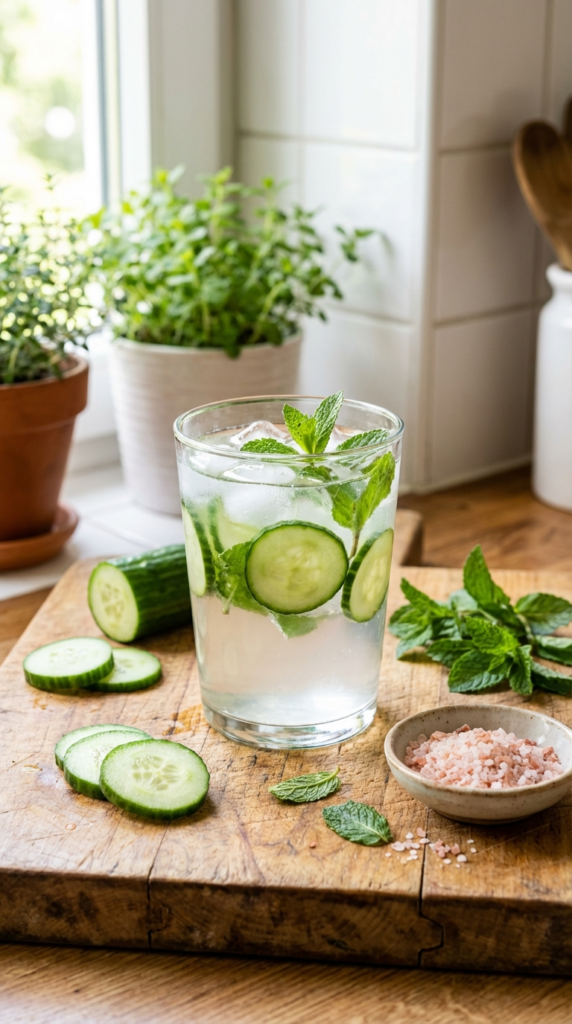
Muddle the cucumber and mint lightly in a glass. Add water, salt, and lime juice. Stir well and let it sit for 15-20 minutes to infuse the flavors. Strain if preferred, or enjoy with the bits!
Beyond the Glass: Incorporating Salt into Your Lifestyle
While electrolyte drinks are fantastic, increasing your sodium intake doesn’t have to be limited to beverages. Consider these other ways to naturally boost your salt levels:
4. Savory Bone Broth Boost
Bone broth is packed with nutrients and can be naturally high in sodium, especially if you add extra salt. It’s comforting and deeply nourishing.
- 1 cup quality bone broth (store-bought or homemade)
- 1/4 – 1/2 teaspoon sea salt (to taste and need)
- Pinch of black pepper, turmeric, or ginger for added benefits
Gently heat the bone broth, stir in the salt and spices until dissolved. Enjoy as a warm beverage or as a base for soups. If you’re on the go, an insulated shaker bottle can keep it warm.
✨ TOP PICK FROM FASHIONAURA.BLOG
Insulated Shaker Bottle
Why this fits: Perfect for mixing and keeping your electrolyte solutions, including warm bone broth, at the ideal temperature throughout the day.
5. Pickle Juice Power Shot
Don’t knock it till you try it! Pickle juice is a surprisingly effective and convenient source of sodium and other electrolytes. Many athletes swear by it for cramps, and it can be a quick fix for POTS symptoms.
- 2-4 oz (1/4 to 1/2 cup) dill pickle juice (ensure it’s traditional, not sweet)
- Optional: Dilute with a little water if the taste is too strong
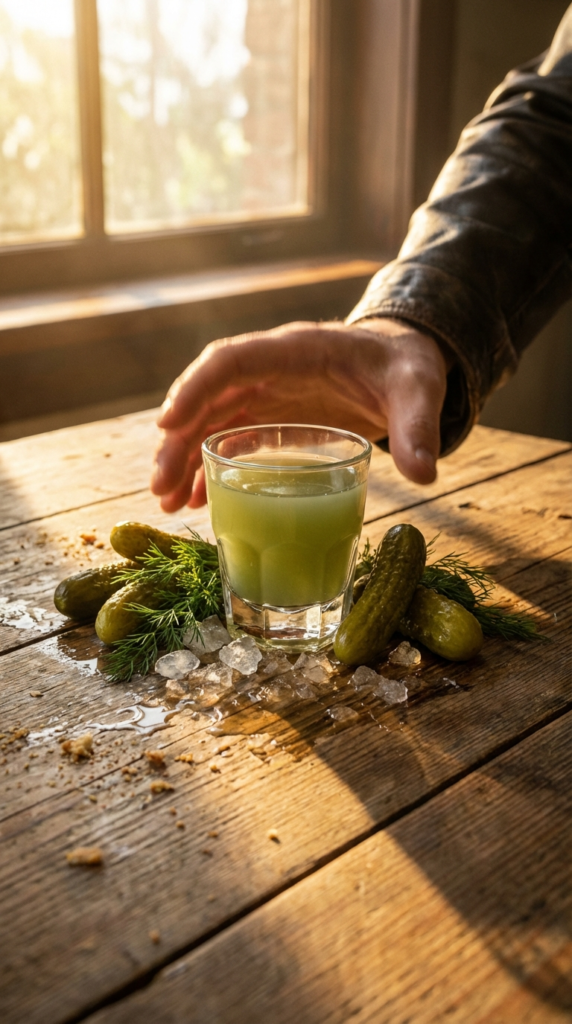
Simply drink it straight or dilute. You can find pre-packaged pickle juice shots, but the brine from a jar of good quality dill pickles works perfectly. It’s a bold choice but often a very effective one! Just make sure it’s plain dill, not sweet pickles.
Important Considerations
While increasing sodium can be incredibly beneficial for POTS, it’s vital to do so under the guidance of a healthcare professional. Everyone’s needs are different, and your doctor can help you determine the right amount for your specific condition. Always listen to your body and adjust as needed. Remember, these recipes are supportive tools, not replacements for medical advice or treatment plans.
Conclusion: Embrace Hydration, Embrace Life!
Living with POTS certainly presents its challenges, but a proactive approach to hydration and electrolyte balance can make a world of difference. These high-sodium electrolyte recipes offer delicious and effective ways to support your body, reduce symptoms, and reclaim some of your energy. From a simple citrus elixir to a savory bone broth, there’s an option for every taste and situation.
Don’t let POTS dictate your day. Try these recipes, find your favorites, and experience the power of intentional hydration. Feeling better is just a sip away! If you found these recipes helpful, be sure to save this post to your “POTS Management” or “Healthy Hydration” boards on Pinterest – you never know when you’ll need a quick pick-me-up!
FAQs
Q: How much sodium do I really need with POTS?
A: The recommended sodium intake for POTS patients varies widely, often ranging from 3,000 to 10,000 mg per day. It’s crucial to discuss your specific needs with your doctor or a POTS specialist, as they can provide personalized guidance based on your symptoms and overall health.
Q: Can I get enough sodium from food alone, or do I need electrolyte drinks?
A: While you can increase sodium through salty foods, achieving the high levels often recommended for POTS management can be challenging and sometimes lead to less healthy food choices. Electrolyte drinks, whether homemade or commercial, offer a controlled and efficient way to consistently meet your sodium targets throughout the day without having to eat excessively salty meals.
Q: Are there any side effects to increasing sodium intake for POTS?
A: When managed under medical supervision, increasing sodium for POTS is generally safe and beneficial. However, some people might experience temporary bloating or mild gastrointestinal upset. In rare cases or if you have co-existing conditions like kidney issues or severe heart failure, high sodium could be problematic. Always consult your doctor before making significant dietary changes.