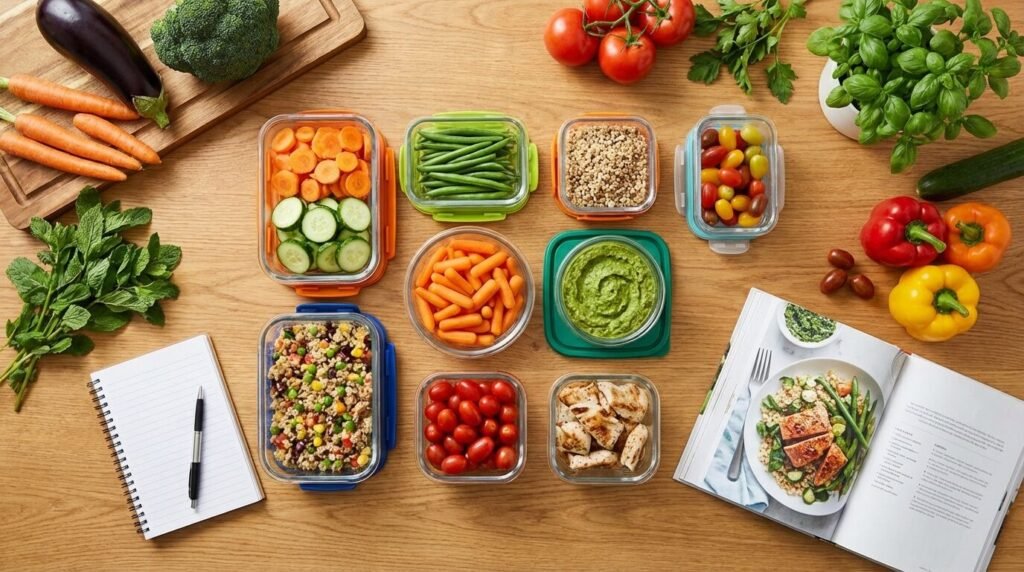
Oh, the dinner dilemma! As a busy parent, I know the feeling all too well. You’re standing in front of the fridge, stomach rumbling, staring into the abyss of half-empty containers, and suddenly everyone is asking, “What’s for dinner?” It used to send shivers down my spine, especially when I knew our grocery budget was already stretched thin.
I remember one week, after another impromptu takeaway night, I looked at our bank statement and realized we were spending a fortune on food. Something had to give. That’s when I dove headfirst into the world of meal planning on a budget, and honestly, it changed everything for my family.
If you’re ready to reclaim your evenings, save some serious cash, and still put delicious, wholesome meals on the table, you’re in the right place. These 7 simple tips are exactly what I’ve learned and perfected over the years to make meal planning a breeze, even when money is tight.
1. Take Stock Before You Shop
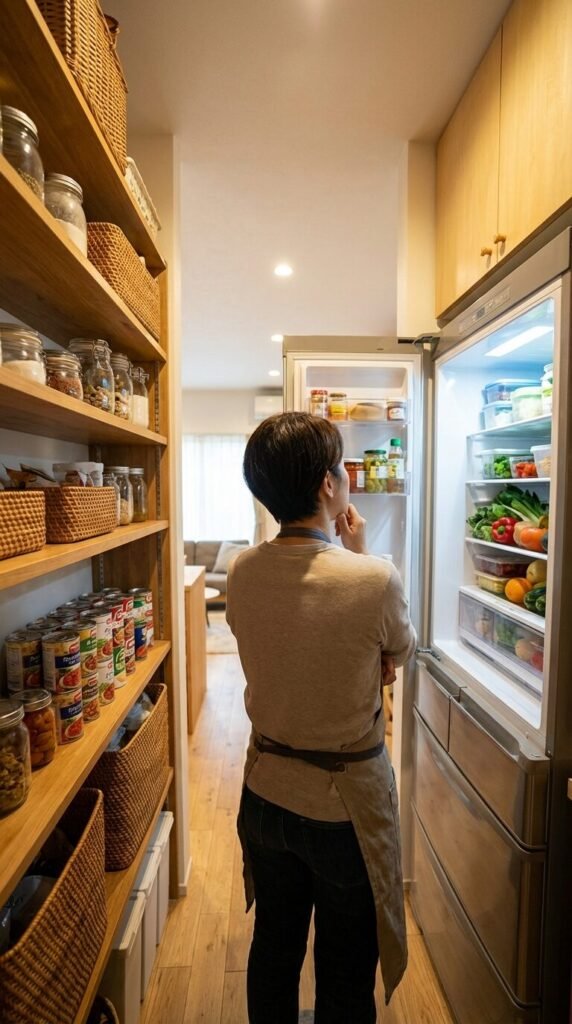
Before you even think about a grocery list, open your fridge, freezer, and pantry. Seriously, get in there! You might be surprised by what forgotten treasures you discover.
I always find half a bag of frozen veggies, some pasta lurking in the back, or canned goods I completely forgot about. Building meals around what you already have prevents waste and drastically cuts down on your grocery bill.
2. Plan Around Sales and Seasonal Produce
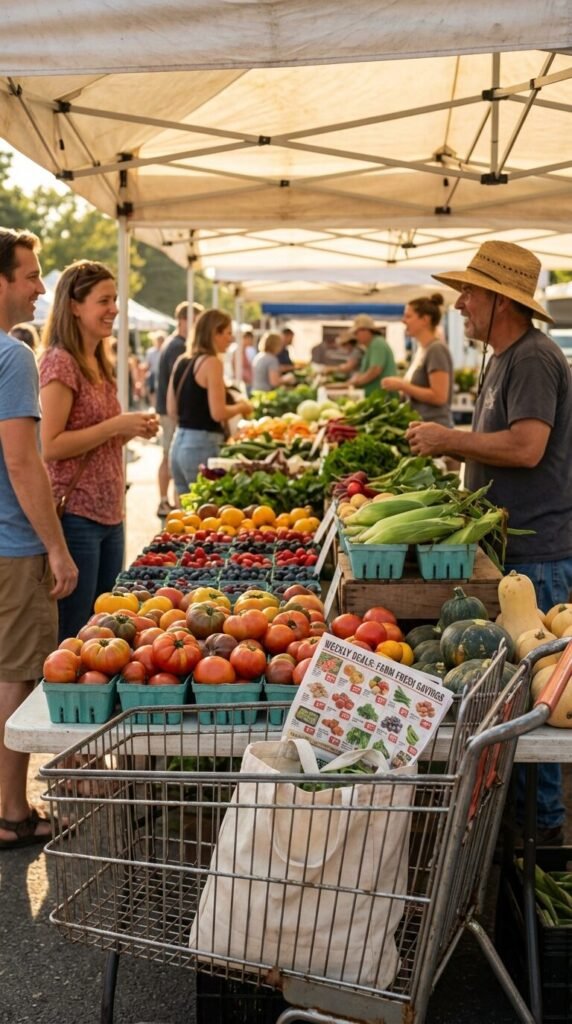
This is a game-changer! Instead of deciding what you want to eat and then hoping it’s on sale, flip the script. Grab your local grocery store flyers or check their app for weekly specials *before* you plan your meals.
When strawberries are in season and cheap, we have strawberry smoothies, strawberry salad, and maybe even a strawberry dessert. The same goes for meat or pantry staples. Buying seasonal produce also means tastier, fresher ingredients!
3. Embrace Theme Nights for Easy Planning
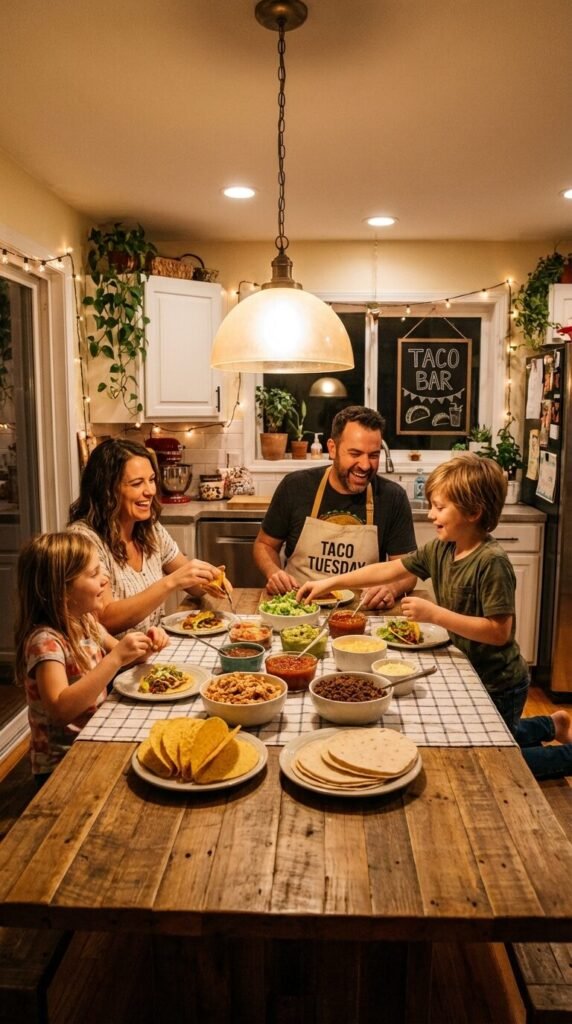
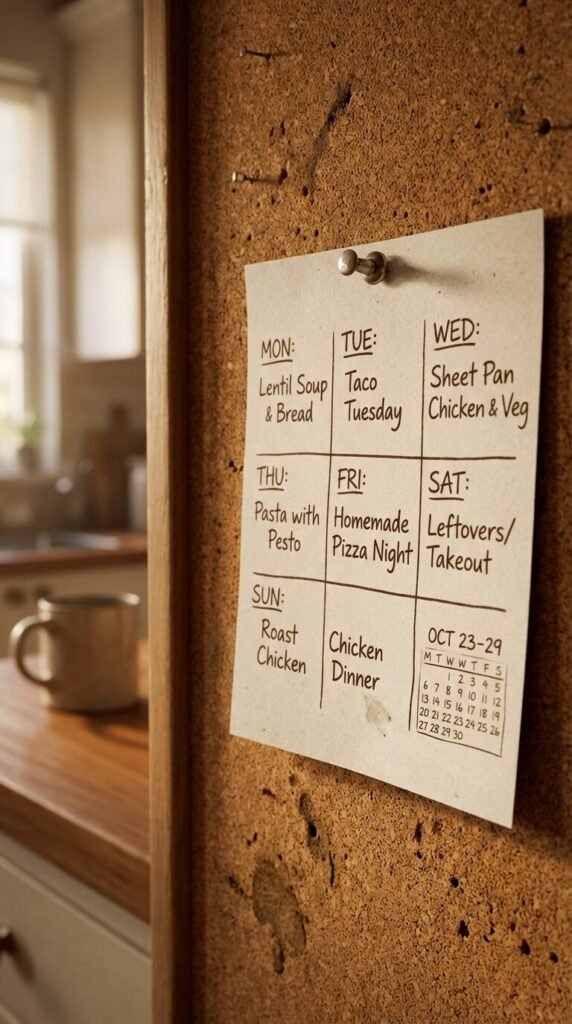
If you find yourself staring at a blank meal planner, try theme nights! We do “Taco Tuesday,” “Pasta Wednesday,” and “Soup & Sandwich Sunday.” It sounds simple, but it streamlines decisions and makes grocery shopping much easier.
Plus, it’s fun for the kids and gives them something to look forward to. You can find so many variations within each theme to keep things exciting. For instance, sometimes our “Taco Tuesday” is actually kid-friendly football snack ideas but in taco form!
4. Double Up & Freeze
When you’re cooking something like lasagna, chili, or a big pot of soup, why not make a double batch? It takes barely any extra effort in the moment, but it’s like giving your future self a wonderful gift: a ready-made meal for another busy night.
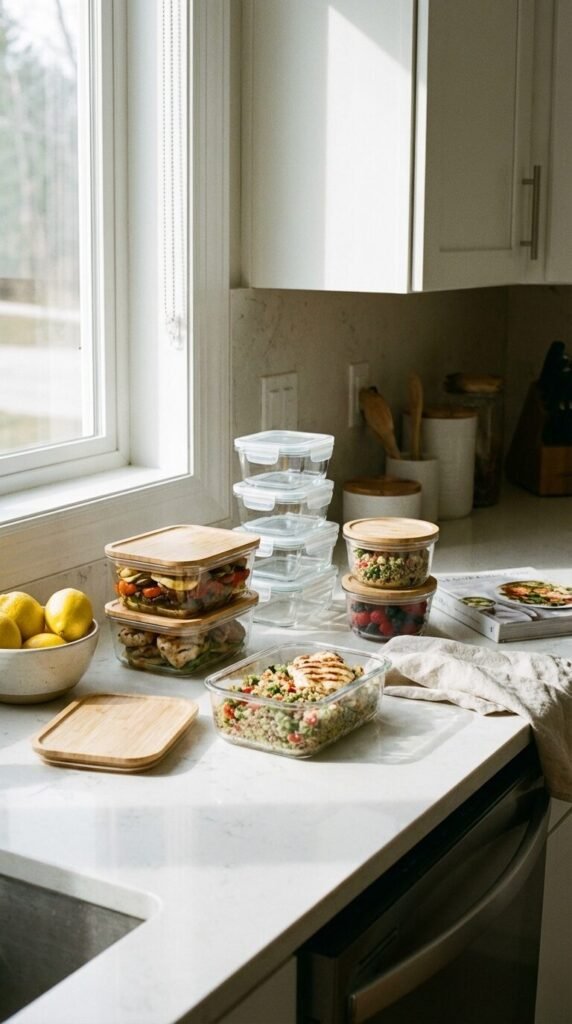
Investing in good Airtight Food Storage Containers is crucial here. They keep your food fresh longer in the fridge and prevent freezer burn, ensuring that second meal is just as delicious as the first. This strategy has saved me countless times!
5. Limit Your Recipe Count
It’s easy to get caught up wanting to try new, elaborate recipes every night. But when you’re on a budget and short on time, simplicity is your best friend. I’ve found that sticking to 5-7 go-to recipes that my family loves and that are budget-friendly makes life so much easier.
You can rotate them weekly or bi-weekly. This also means you’ll buy the same ingredients more often, making grocery lists second nature and allowing you to buy staples in bulk, which usually saves money. For quick starts to your day, check out these delicious gut-friendly breakfast recipes.
6. Master Leftovers (No, Not Just Dinner Again)
Leftovers don’t have to be boring! With a little creativity, yesterday’s dinner can become today’s exciting lunch or even a whole new meal component. Extra roast chicken can become chicken salad sandwiches or a quesadilla filling.
Leftover rice can be fried rice. Think about how you can repurpose ingredients. This not only saves money but also reduces food waste, which is a big win for your wallet and the planet. For precise measurements when you’re repurposing, a reliable Digital Kitchen Scale can be incredibly helpful, especially for baking or specific portioning.
7. Get the Family Involved
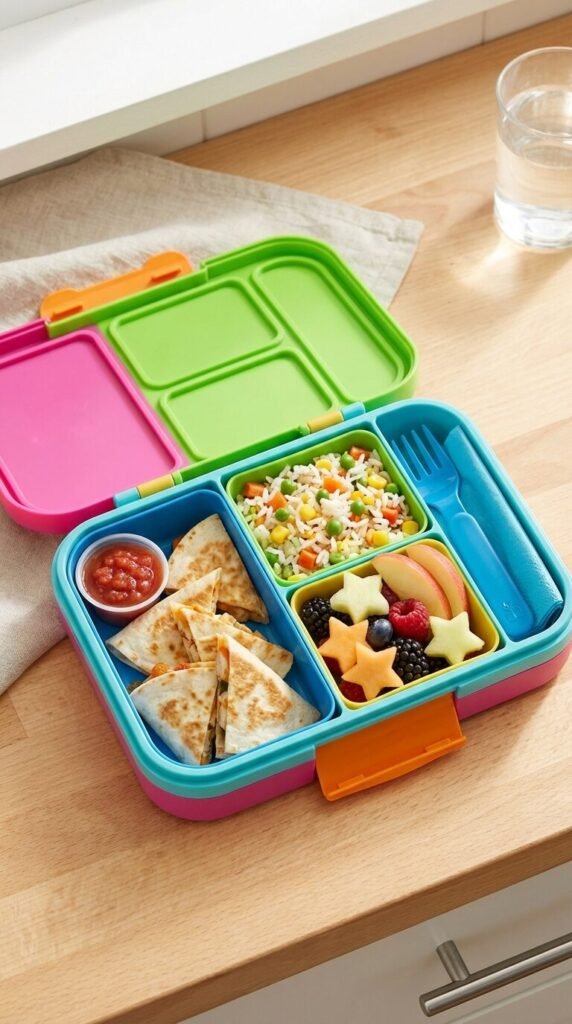
Meal planning and cooking shouldn’t fall on just one person! Get everyone involved. Older kids can help choose meals, write grocery lists, or even learn to cook simple dishes. Younger ones can help with simple tasks like washing veggies or setting the table.
When everyone has a hand in the process, they’re more likely to eat what’s served and understand the value of planning and budgeting. My KitchenAid Stand Mixer, for example, is fantastic for getting the kids involved in baking bread or mixing up ingredients for a big batch of meatballs for our pasta night. They love helping turn it on and off!

Ready to Master Budget Meal Planning?
Meal planning on a budget isn’t about deprivation; it’s about smart choices, creativity, and finding joy in feeding your family well without the financial stress. These tips have transformed our family’s mealtime routine, making it more efficient, affordable, and honestly, more enjoyable.
Give these a try, and you’ll soon find yourself spending less, wasting less, and enjoying delicious, home-cooked meals more often. Happy planning, my friends!
If you found these tips helpful, be sure to save this post for later and share it with a friend who might need a little meal planning magic in their life!
FAQs
Q: How long does it really take to meal plan each week?
A: Once you get into a rhythm, I find it takes me about 30-60 minutes total. This includes checking my pantry, browsing sales, planning meals, and writing my grocery list. The time you save later in the week makes it absolutely worth it!
Q: What if my family is picky?
A: I hear you! Try involving your family in the planning process. Let them pick one or two meals for the week. Also, gradually introduce new ingredients or dishes alongside their favorites. Theme nights (like “Pizza Friday”) can also be a great way to ensure there’s always something everyone will eat.
Q: Can I still eat healthy on a budget?
A: Absolutely! Budget-friendly meal planning often encourages healthier eating. You’ll focus on whole, unprocessed ingredients, seasonal produce, and cooking at home, which inherently tends to be healthier than eating out. Things like lentils, beans, oats, eggs, and frozen vegetables are incredibly nutritious and affordable staples.