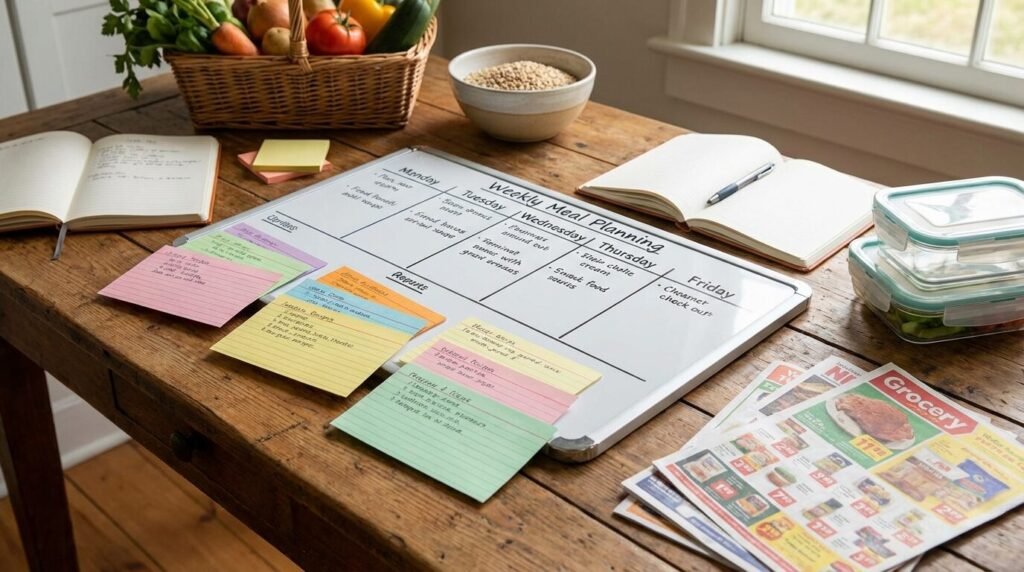
Oh, the dreaded “What’s for dinner?” question that hits right when you’re exhausted, staring into a half-empty fridge, and realizing takeout is the only option left. I’ve been there more times than I care to admit, especially when money was tighter than ever. It felt like a constant battle against food waste, last-minute grocery runs, and the sheer mental load of feeding my family nutritious, affordable meals.
But what if I told you there’s a way to reclaim your evenings, save a significant chunk of your grocery budget, and actually enjoy cooking again? Learning to meal plan transformed my family’s finances and my sanity. It might sound intimidating, but it doesn’t have to be complicated. Today, I’m sharing five tried-and-true weekly meal planning systems that are perfect for budget-conscious families just like yours.
1. The “Cook Once, Eat Twice (or Thrice)” Power Plan
This system is a lifesaver for busy weeknights. The core idea is to choose one or two main protein sources or staple ingredients and cook them in a large batch, then repurpose them into different meals throughout the week. Think a big batch of shredded chicken that becomes tacos on Monday, chicken salad sandwiches on Tuesday, and a quick chicken and veggie stir-fry on Wednesday.
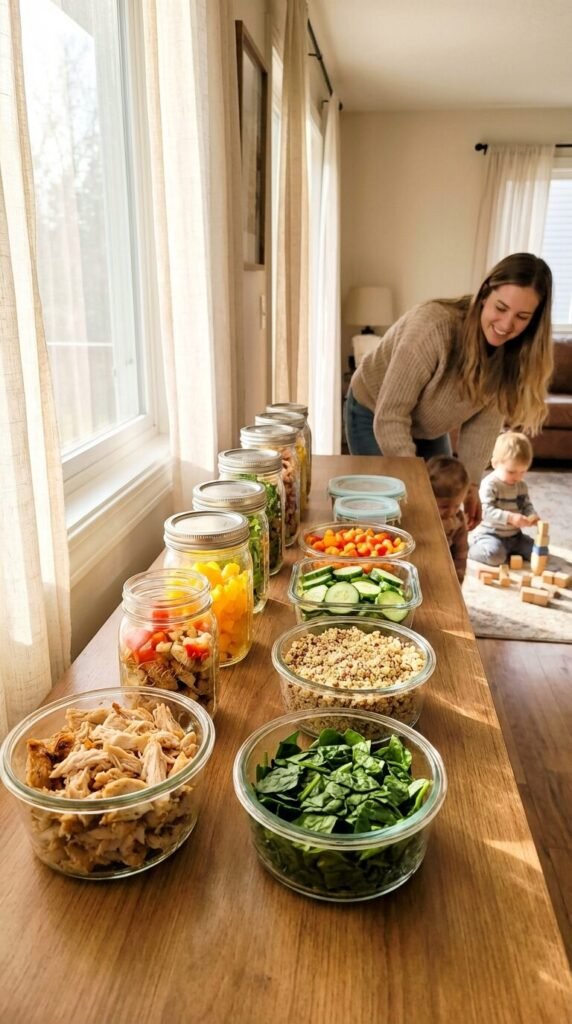
I swear by this method for keeping my fridge stocked and my stress levels low. It cuts down on cooking time every single night and ensures nothing goes to waste. Plus, getting a good quality Airtight Food Storage Containers set can make all the difference for keeping your prepped ingredients fresh and organized!
2. Theme Nights: Simplify Your Decisions
Taco Tuesday, Pasta Monday, Pizza Friday, Soup & Sandwich Sunday – sound familiar? Theme nights take the guesswork out of meal planning by assigning a general category to each day of the week. This system is fantastic for families with picky eaters or those who crave a bit of predictability.
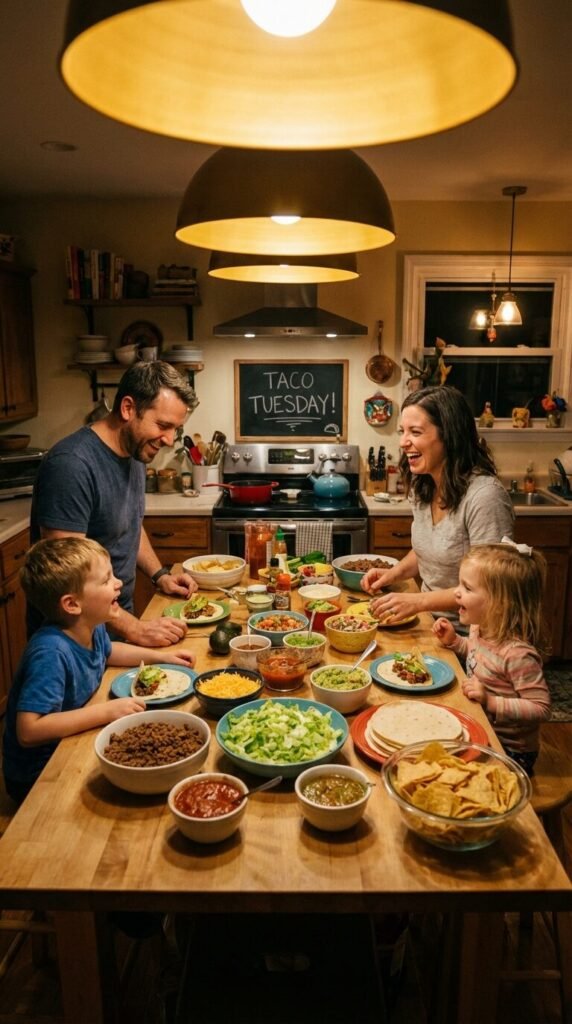
The beauty of theme nights is the flexibility within the theme. Taco Tuesday doesn’t always mean ground beef tacos; it could be fish tacos, bean tacos, or even a taco salad! It gives you a framework without feeling restrictive. It’s also great for encouraging kids to get involved in choosing meals. For more crowd-pleasing ideas, check out these football party food ideas kids will love – many can be adapted for fun theme nights!
3. The “Pantry & Freezer First” Challenge
Before you even think about writing a grocery list, “shop” your own pantry, freezer, and fridge. This system challenges you to plan meals based on what you already have on hand. It’s incredible how much food we forget we have, and using it up before buying more saves money and reduces waste.

Start by taking an inventory. Write down everything that needs to be used soon, then brainstorm meals around those ingredients. You might be surprised by the delicious combinations you can create! I found that having a Digital Kitchen Scale really helps with this system, allowing me to portion out exactly what I need from my existing ingredients without over-preparing.
4. DIY Meal Kits: Prep Like a Pro, Save Like a Boss
Love the idea of meal kits but hate the price tag? This system is for you! Instead of paying for pre-portioned ingredients, you create your own “kits” by prepping components for different meals on one designated prep day (often Sunday).

Wash and chop all your vegetables, cook grains like rice or quinoa, and marinate meats. When dinner time rolls around, most of the work is already done. It makes weeknight cooking incredibly fast and convenient. If you’re looking for more quick meal ideas, some of these easy Friendsgiving appetizers can even be scaled up or adapted into main courses with a little creativity!
5. The Sales First Strategic Shopper
This system puts your grocery store’s weekly flyers and sales circulars at the heart of your meal plan. Before you even think about recipes, look at what’s on sale. Build your meals around discounted proteins, produce, and pantry staples.
This is often the most budget-effective method, as you’re leveraging savings right from the start. You might discover new recipes or ingredients you wouldn’t normally buy. I often find incredible deals on meat or seasonal produce this way, and sometimes, those finds inspire entirely new weekly menus!

If you want to make baking or cooking big batches even easier, a good KitchenAid Stand Mixer can be a game-changer for preparing doughs, mixing ingredients, and more, especially when you’re buying in bulk due to sales.
Ready to Save Money and Your Sanity?
Choosing a meal planning system doesn’t mean you’re locked in forever. Try one out for a week or two, see what works for your family, and adjust as needed. The goal is to make your life easier, not harder! You’ll be amazed at how much money you save, how little food goes to waste, and how much calmer your weeknights become.
No more last-minute stress or expensive takeout. Just delicious, budget-friendly meals that your whole family will love. Give one of these systems a try and let me know which one clicked for you!
FAQs
Q: How long does weekly meal planning actually take?
A: It varies, but typically, once you get into a routine, planning can take as little as 15-30 minutes each week. Prep work, if you choose to do it, might add another 1-2 hours on a single day, saving you much more time during busy weekdays.
Q: What if my family is super picky?
A: Theme nights (System 2) are excellent for picky eaters, as they offer predictability with variety. Also, involving your family in the planning process can significantly increase their buy-in. Let them choose one meal each week, or pick from a curated list of approved dishes.
Q: How do I handle last-minute schedule changes or cravings?
A: Flexibility is key! Always have a “backup” meal in mind, like a frozen pizza or quick pasta dish. I also like to plan one “leftovers” night or “flex night” into my week to account for unexpected changes or days when we simply want something different. Don’t be afraid to swap meals around!