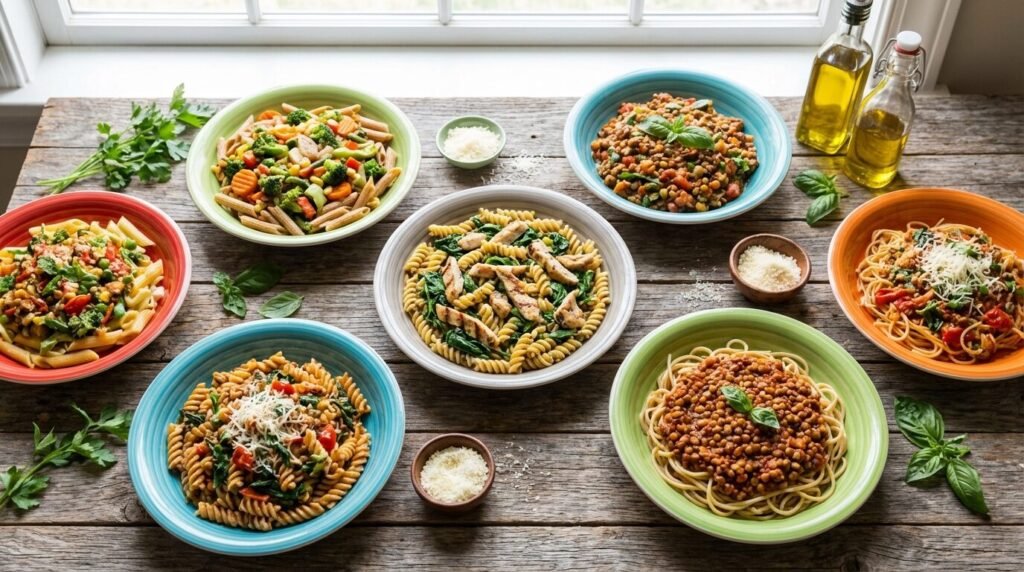
Oh, pasta! It’s one of those comfort foods that just hits different, isn’t it? For years, I found myself in a love-hate relationship with it. I adored the taste, the warmth, the sheer joy of a hearty bowl, but always felt a little guilty afterwards, especially when trying to stick to healthier eating habits.
Sound familiar? I used to think healthy pasta was an oxymoron, a myth whispered in health food stores. But I’m here to tell you that’s simply not true! I’ve spent countless evenings experimenting in my kitchen, transforming traditional pasta dishes into vibrant, nutritious meals that my family genuinely loves – and that leave me feeling amazing.
This isn’t about ditching pasta entirely or forcing yourself to eat bland alternatives. It’s about smart swaps, clever additions, and a fresh perspective that makes healthy pasta dinners not just possible, but incredibly delicious. Get ready to fall back in love with pasta, guilt-free!
The Power of Whole Grains (and Veggies!)
The first step to a healthier pasta dinner often starts with the pasta itself. Gone are the days when whole wheat pasta tasted like cardboard! Brands today offer incredible whole wheat, lentil, and even chickpea pasta options that are packed with fiber and protein, keeping you fuller for longer.
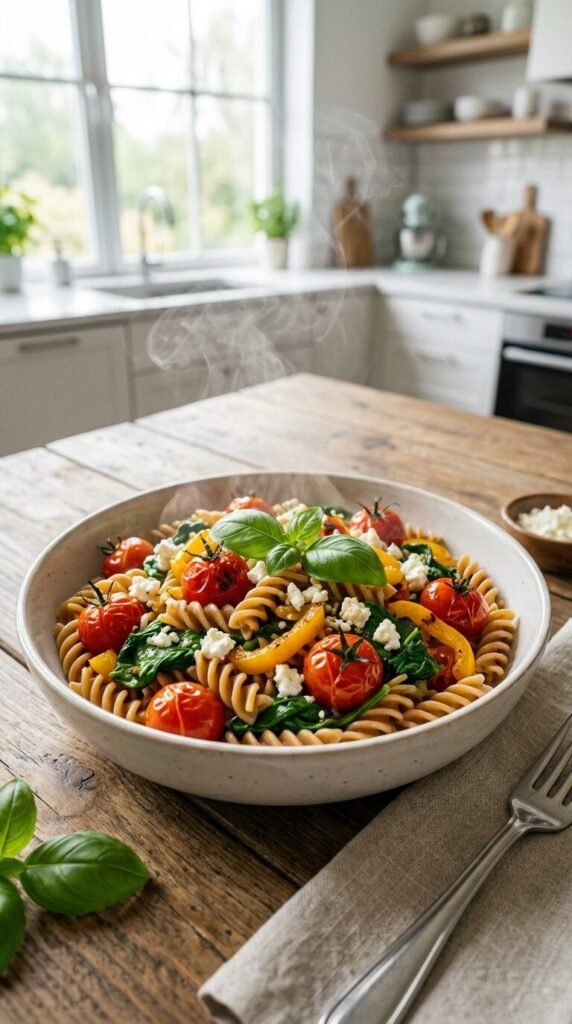
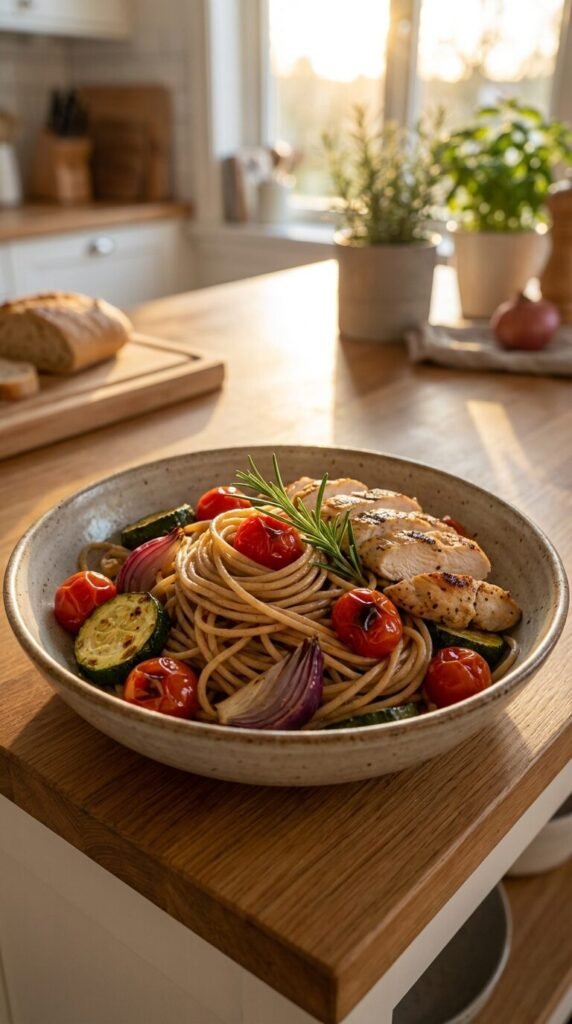
When I plan my weekly meals, I always aim to include at least one pasta night. Using whole grain pasta helps me feel good about serving a comforting meal that’s also genuinely nutritious. Plus, it’s a fantastic base for loading up on colorful vegetables! Think vibrant bell peppers, crisp broccoli, tender spinach, or earthy mushrooms. Don’t be shy about adding a generous handful (or two!).
Lightening Up Your Sauce Game
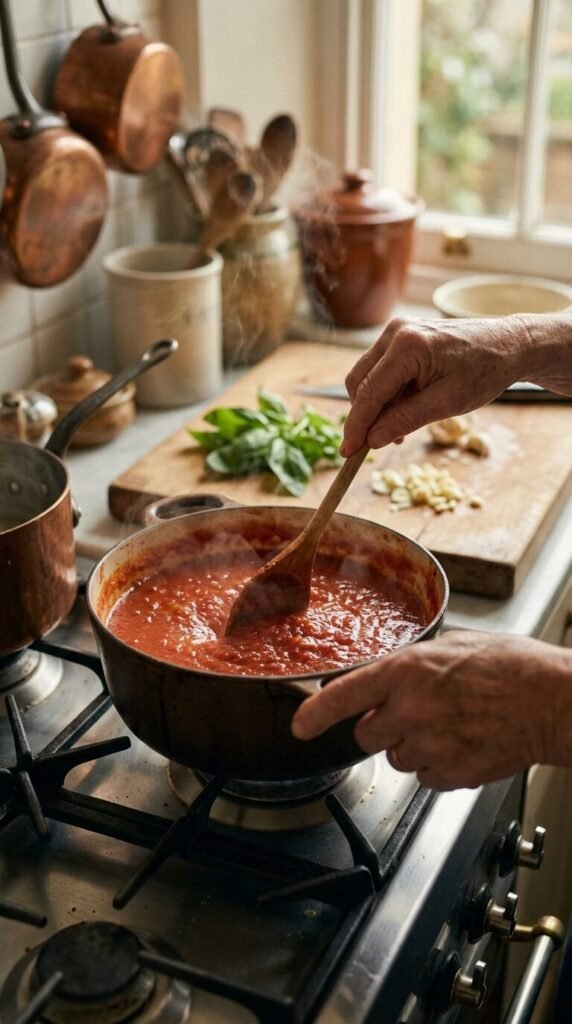
The sauce can make or break a healthy pasta dish. Creamy, heavy sauces are delicious, but they’re often packed with saturated fats and calories. My go-to strategy is to create lighter, fresher sauces that still deliver big on flavor. Homemade tomato sauce, brimming with ripe tomatoes, garlic, and herbs, is always a winner. I often make a big batch at the beginning of the week, which is a key part of my weekly meal planning routine.
For a twist, try a vibrant pesto made with less oil and more fresh greens like spinach or kale mixed in. Or, consider pureeing roasted vegetables (like butternut squash or red peppers) with a little broth to create a naturally creamy, nutrient-rich sauce. When I’m prepping ingredients for sauces or chopping up fresh veggies, having a reliable Stainless Steel Mixing Bowl Set makes the whole process so much smoother and more organized. It’s those little kitchen essentials that really make a difference.
Smart Protein Pairings for Satiety
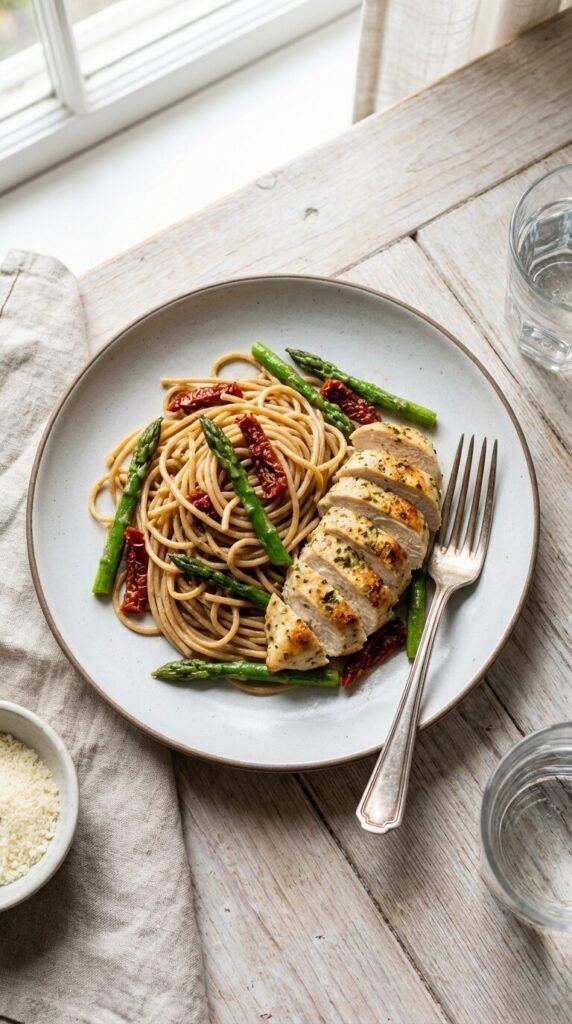
Adding a lean protein source is a game-changer for healthy pasta. It not only boosts the nutritional value but also helps you feel satisfied, preventing those post-dinner snack cravings. Grilled chicken breast, sautéed shrimp, flaked salmon, or even hearty chickpeas and lentils are fantastic options.
For plant-based eaters, crumbled extra-firm tofu or tempeh can mimic ground meat textures beautifully when seasoned well. I often find myself making a single-serving pasta dish for lunch, and adding protein ensures I’m fuelled for the afternoon. If you’re looking for more ideas, check out my favorite cheap & simple weekly meal plans for one.
Portion Control is Key (But Doesn’t Mean Less Flavor!)
Let’s be honest, it’s easy to overdo it with pasta. We all love a generous helping! But portion control is a crucial component of healthy eating. Instead of aiming for a mountain of noodles, focus on a balanced plate where pasta is one component, not the sole star. A good rule of thumb is about ½ to ¾ cup of cooked pasta per serving.
To avoid feeling deprived, I focus on maximizing flavor with herbs and spices, and filling my plate with extra vegetables. It tricks my brain into thinking I have a bigger meal! If you’re keen on making your meals both healthy and budget-friendly, I highly recommend exploring simple meal planning on a budget tips for families, where careful portioning plays a big role. Measuring out ingredients precisely also helps, and a good Measuring Cups and Spoons Set is indispensable for this.
Flavor Boosters That Aren’t Fat-Filled
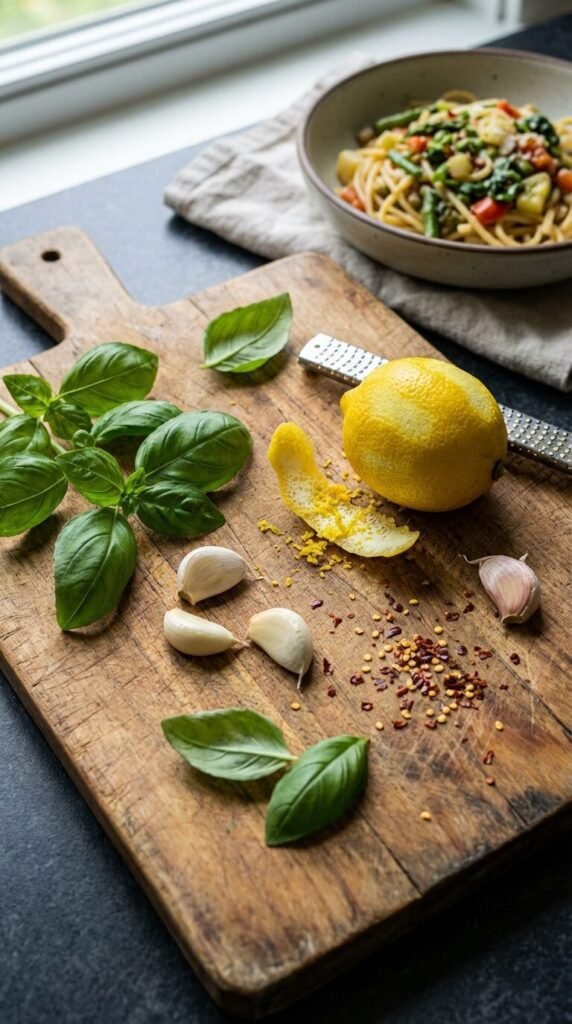
You don’t need excessive oil or cheese to make pasta taste incredible. My secret weapons are fresh herbs – basil, parsley, oregano – which add vibrant aroma and taste. Garlic, lemon zest, and a pinch of chili flakes can elevate any dish without adding extra calories.
A splash of good quality balsamic vinegar or a squeeze of fresh lemon juice can brighten up a sauce instantly. Nutritional yeast is also a fantastic dairy-free way to add a cheesy, umami flavor. These simple additions make healthy pasta anything but boring, proving that sometimes, less is truly more when it comes to ingredients, but more is definitely more when it comes to flavor!
My Go-To Healthy Pasta Recipes
I’ve developed a few staple recipes that are always a hit:
- Lemon Garlic Shrimp Pasta with Zucchini Noodles & Whole Wheat Linguine: A mix of zoodles and traditional pasta keeps it light, while succulent shrimp and a zesty garlic sauce make it irresistible.
- Roasted Vegetable & Chickpea Pasta: Roasting veggies brings out their sweetness. Toss them with whole grain pasta, chickpeas, and a light olive oil dressing for a hearty, plant-forward meal.
- Speedy Spinach & Mushroom Marinara: Using a good quality jarred marinara as a base, I sauté heaps of fresh spinach and mushrooms, adding them in for a quick, veggie-packed meal. Sometimes I’ll add turkey meatballs for extra protein.
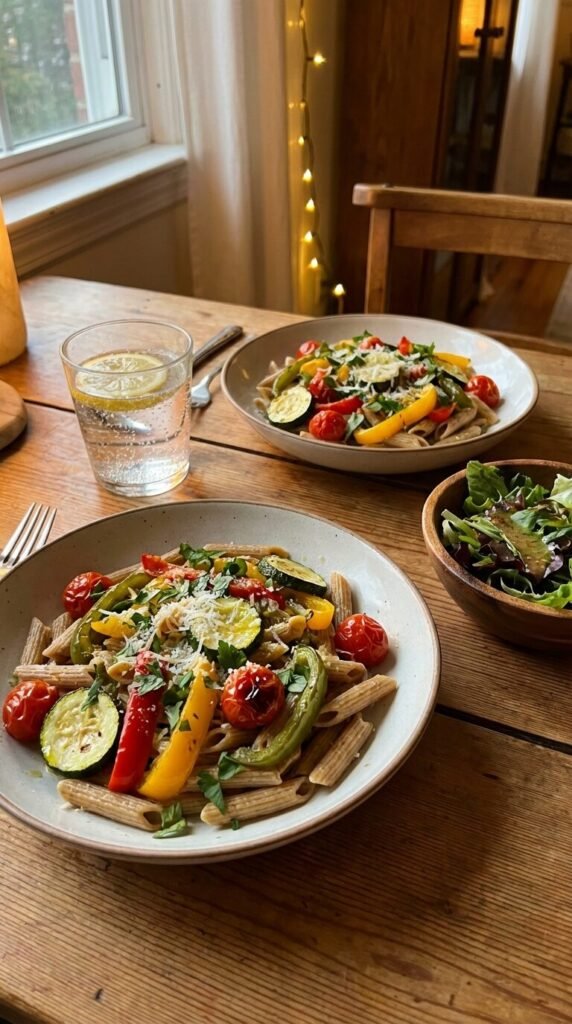
These meals have become regulars in my home, and they’ve proven that you truly can enjoy pasta as part of a balanced, healthy lifestyle. Sometimes, my partner and I even make one of these for our at-home date nights!
Embrace Healthy Pasta!
So, are you ready to ditch the pasta guilt and embrace a world of delicious, healthy pasta dinners? I truly hope this has inspired you to get creative in your kitchen and experiment with new ingredients and techniques. Eating well doesn’t mean sacrificing flavor or your favorite dishes; it just means finding smarter, more wholesome ways to enjoy them.
Don’t forget to save this post for your next meal planning session! Which healthy pasta idea are you most excited to try first? Let me know in the comments below!
FAQs
Is pasta inherently unhealthy?
No, pasta isn’t inherently unhealthy! Traditional pasta can be a good source of carbohydrates, providing energy. The “unhealthy” perception often comes from oversized portions, heavy, creamy sauces, and a lack of added vegetables or lean protein. By making smart choices like opting for whole grain pasta, controlling portions, and adding nutrient-rich ingredients, pasta can absolutely be part of a healthy diet.
How can I make my pasta sauces healthier?
To make pasta sauces healthier, focus on fresh, whole ingredients. Opt for tomato-based sauces over cream-based ones, and load them with vegetables like spinach, mushrooms, bell peppers, and zucchini. Use herbs, garlic, and spices for flavor instead of excessive oil or cheese. You can also blend roasted vegetables into your sauce for natural creaminess without the fat.
What are some good healthy pasta alternatives?
Beyond whole wheat pasta, there are many fantastic healthy alternatives! Consider pasta made from lentils or chickpeas, which offer significantly more protein and fiber. Vegetable-based “noodles” like zucchini noodles (zoodles), spaghetti squash, or sweet potato noodles are also excellent low-carb and nutrient-dense options. You can use them entirely or mix them with traditional pasta for a lighter dish.