
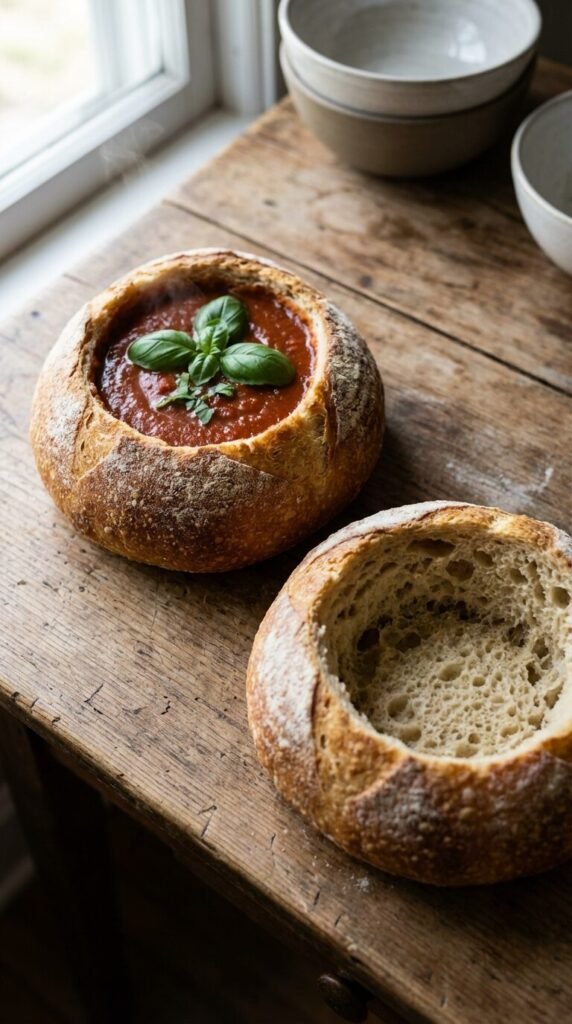
There’s nothing quite like the cozy embrace of a warm bowl of soup on a chilly evening. But what if that bowl was edible? What if it was made from your very own homemade sourdough, with that perfect tang and chewy crust? I’ve been there, dreaming of restaurant-quality bread bowls right in my kitchen.
For years, I’d stare longingly at pictures of rustic bread bowls online, assuming they were too complicated for a home baker like me. My first attempt was… let’s just say, more of a bread puddle than a bowl. But persistence, a dash of trial and error, and a lot of love for sourdough finally cracked the code.
Today, I want to share my secrets to creating these show-stopping, edible masterpieces. Get ready to elevate your soup game, impress your friends, and enjoy the incredible satisfaction of baking something truly special from scratch. Forget those flimsy store-bought versions; we’re diving into the good stuff.
Why Homemade Sourdough Bread Bowls Are a Game Changer
Think about the aroma filling your kitchen as these beauties bake. It’s intoxicating! Homemade sourdough bread bowls aren’t just about functionality; they’re an experience. That crispy exterior, the soft, tangy interior—it’s a culinary hug.
Beyond the amazing taste, there’s a huge satisfaction in serving something you’ve crafted yourself. Plus, they make cleanup a breeze (less dishes!). They’re perfect for chili, stews, or even a hearty breakfast scramble on a chilly morning, these bowls elevate any meal.
Once you try them, there’s no going back. They make any gathering feel special, whether it’s a casual family dinner or a more elaborate spread like a show-stopping charcuterie board. Trust me, your guests will be raving.
Gathering Your Sourdough Bowl Essentials
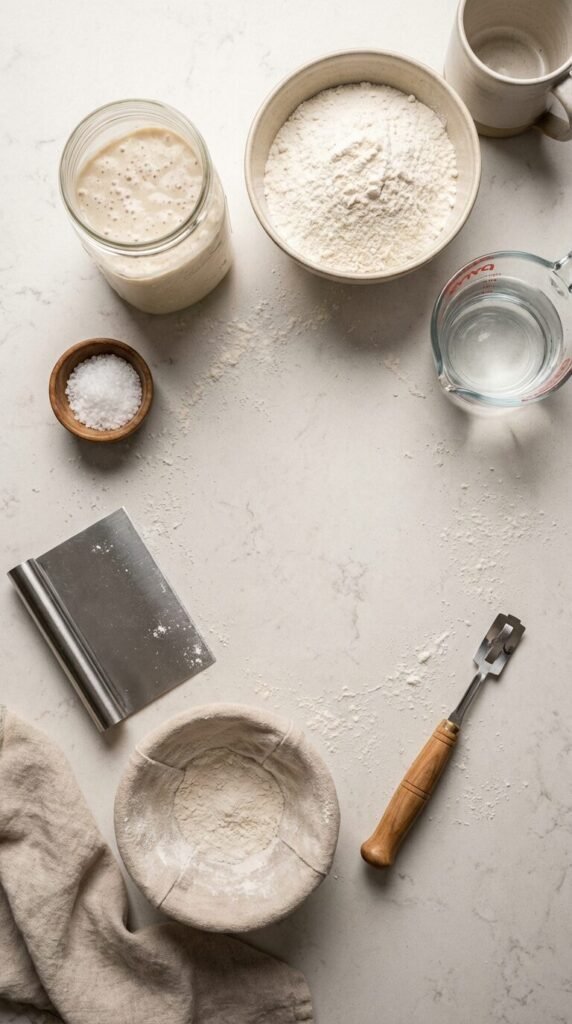
Before we dive into the dough, let’s make sure we have everything we need. Most of these items are probably already in your pantry if you’re a sourdough enthusiast. If not, they’re great investments for future baking adventures.
Ingredients:
- Active Sourdough Starter: Bubbly and fed, ready to work its magic. This is key for that signature sourdough flavor.
- Strong Bread Flour: High protein content helps with structure.
- Water: Lukewarm is best for activating the yeast in your starter.
- Salt: Essential for flavor and controlling fermentation.
Equipment:
- Large Mixing Bowl: For combining ingredients and the first rise.
- Dough Scraper: Invaluable for handling sticky dough.
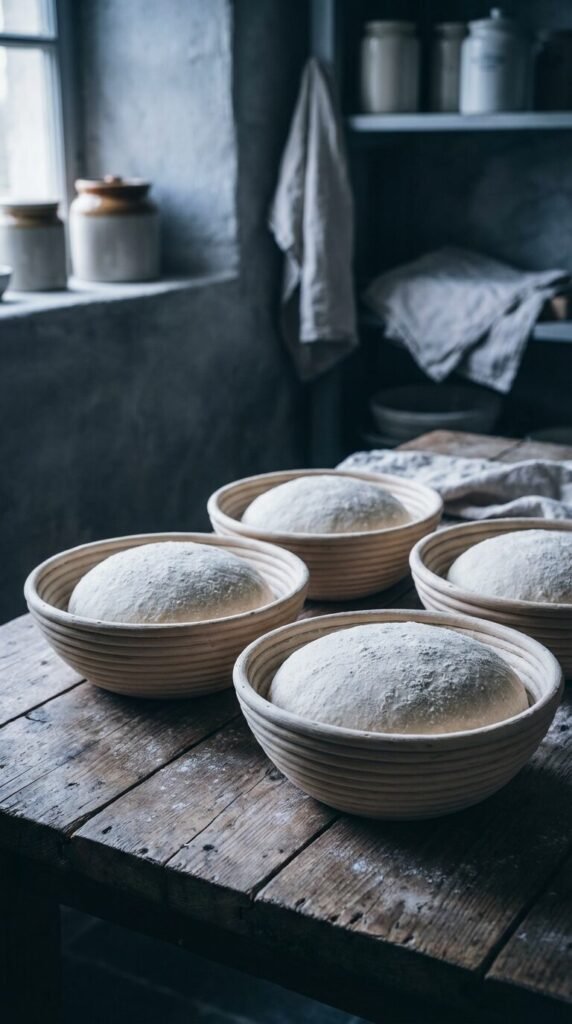
- Bannetons or Small Bowls: Lined with floured tea towels for the second proof. You’ll need 4-6 depending on your desired bowl size.
- Dutch Oven or Baking Steel/Stone: For baking. A Dutch oven traps steam, creating an amazing crust.
- Sharp Knife or Lame: For scoring the dough.
- Parchment Paper: To prevent sticking and easily transfer dough.
Crafting Your Sourdough Bowl Dough
The journey to a perfect sourdough bread bowl begins with a well-hydrated, happy dough. This process isn’t rushed, but it’s incredibly rewarding. I always start mine in the evening so it can ferment overnight.
- Mix Ingredients: In your large bowl, combine 100g active sourdough starter, 350g lukewarm water, and mix until the starter is mostly dissolved. Add 500g bread flour and 10g salt. Mix until no dry spots remain and a shaggy dough forms.
- Rest (Autolyse): Cover the bowl and let it rest for 30 minutes. This allows the flour to fully hydrate and gluten development to begin naturally.
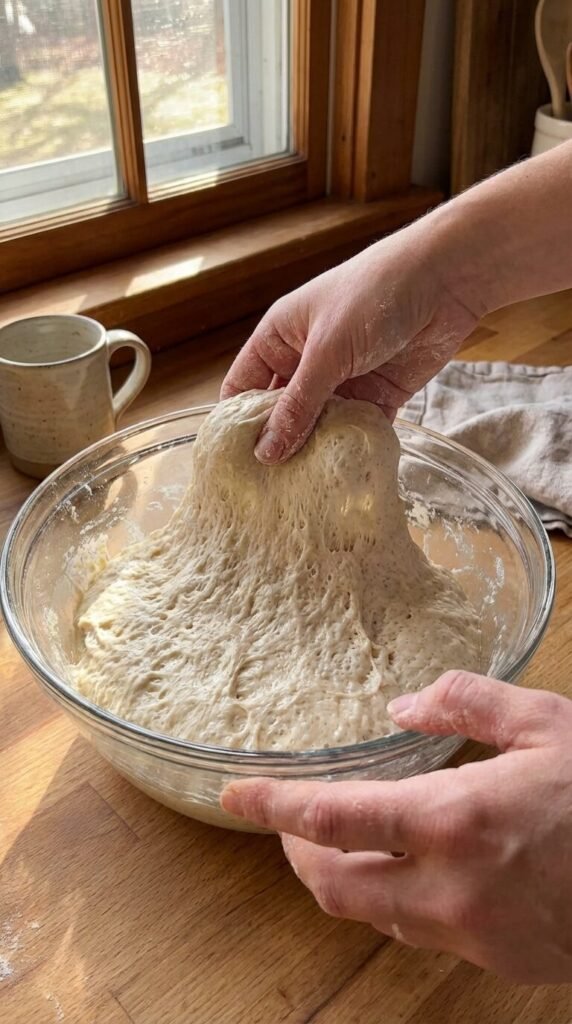
- Stretch and Folds: Over the next 2-3 hours, perform 3-4 sets of “stretch and folds” every 30-45 minutes. Grab a portion of the dough, gently stretch it upwards, and fold it over itself. Rotate the bowl and repeat until all sides are folded. This builds strength in the dough.
- Bulk Fermentation: After the stretch and folds, cover the bowl and let it bulk ferment at room temperature for 6-10 hours, or until it has noticeably increased in volume (around 30-50%) and looks bubbly. The exact time depends on your room temperature and starter activity.
Shaping and Proving Perfection
This is where we turn our beautiful dough into individual bowl shapes. Don’t worry if your first few aren’t perfect; practice makes progress!
- Divide the Dough: Gently tip your dough onto a lightly floured surface. Divide it into 4-6 equal pieces using your dough scraper, depending on the size of bowls you want.
- Pre-shape: Working with one piece at a time, gently shape each into a tight ball. Let them rest, covered, for 20-30 minutes. This allows the gluten to relax, making final shaping easier.
- Final Shape: Take a pre-shaped ball and gently flatten it into a disk. Fold the edges inwards towards the center, creating tension on the surface. Pinch the seams closed at the bottom. The goal is a taut, round ball that will hold its shape.
- Cold Proof: Place each shaped dough ball, seam-side up, into a well-floured banneton or a small bowl lined with a floured tea towel. Cover loosely and refrigerate for 12-24 hours. Cold proofing slows fermentation, deepens flavor, and makes the dough easier to handle.
Baking Golden Sourdough Bowls
The moment of truth! Baking these bowls requires high heat to achieve that glorious crust and airy interior. It’s always exciting to open the oven and see them puffed up and golden.
- Preheat Oven: Place your Dutch oven (with lid) or baking stone/steel in your oven and preheat to 450°F (230°C) for at least 45-60 minutes. It needs to be screaming hot.
- Score and Bake (Covered): Carefully remove one dough ball from the fridge. Invert it onto a piece of parchment paper. Score the top with a sharp knife or lame – a simple “X” or circular pattern works well. Carefully transfer the parchment and dough into the preheated Dutch oven (or onto your baking surface). Bake covered for 20 minutes.
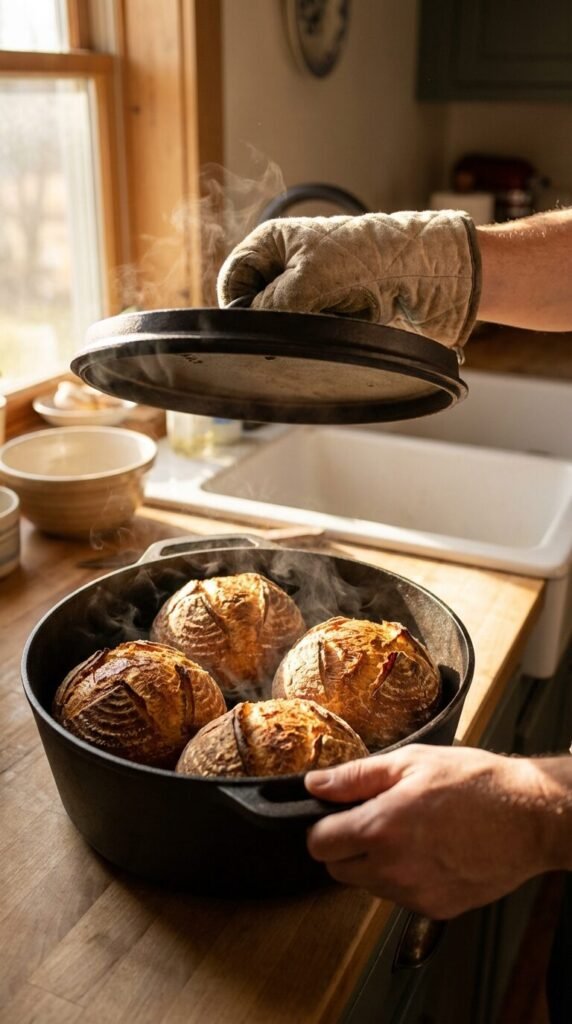
- Bake (Uncovered): Remove the lid from your Dutch oven and continue to bake for another 15-25 minutes, or until the bowls are deeply golden brown and sound hollow when tapped on the bottom.
- Cool: Transfer the baked bread bowls to a wire rack to cool completely before hollowing. Cooling is crucial for the crust and interior structure to set.
Filling Your Masterpiece
Once your sourdough bread bowls are cool, the fun truly begins. This is where you transform them from a delicious loaf into an edible vessel for your favorite meals. Imagine serving these alongside a rich, warming stew, or even a simple, fresh salad for a creative presentation. A perfectly baked bowl is also fantastic with any healthy dinner ideas you might have planned.
- Hollow Them Out: Using a sharp serrated knife, carefully cut a circle around the top of each cooled bread bowl, about 1/2 to 3/4 inch from the edge. Don’t cut all the way through!
- Remove the Interior: Gently pull out the soft bread from the inside, leaving a sturdy shell. You can save these bread chunks for croutons, breadcrumbs, or simply snack on them!
- Fill and Enjoy: Now, fill your beautiful sourdough bread bowls with your favorite thick soups, stews, chili, or even a creamy pasta dish. Serve immediately and watch the smiles erupt around the table.
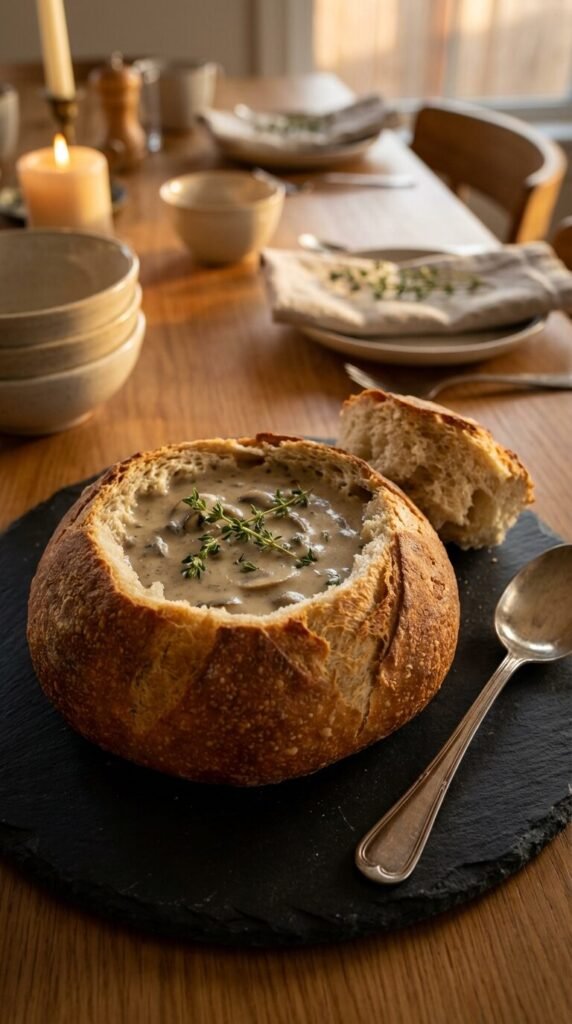
And there you have it! Your very own homemade sourdough bread bowls. The effort is worth every single bite, and the pride you’ll feel in serving these is unmatched. They truly elevate any meal, turning an ordinary dinner into an unforgettable experience.
Don’t be intimidated by the process; sourdough baking is a journey, and every loaf (or bowl!) is a learning experience. Give it a try this weekend, and let me know how it goes. I promise, your taste buds (and your dinner guests) will thank you!
Loved this recipe? Be sure to save it to your Pinterest board and share it with a friend who loves to bake!