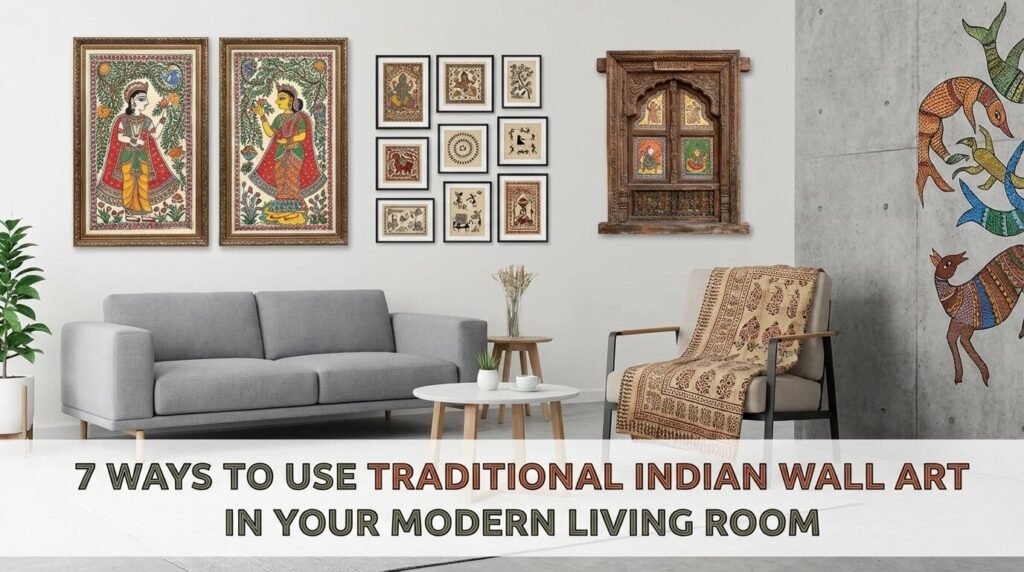
Stop scrolling. Seriously, wait until you see this.
I know the feeling: you want your home to tell a story, but you’re stuck on minimalist gray and beige. You admire the beautiful, intricate designs of global art, especially the stunning traditions coming out of India, but you worry it won’t “fit” with your modern sofa or Scandinavian-inspired shelves.
I faced the exact same dilemma. My living room felt lovely but sterile. It lacked soul.
The solution? Traditional Indian wall art. It’s not just colorful; it’s steeped in centuries of history and craftsmanship. When paired correctly, these pieces introduce depth, warmth, and an unparalleled elegance to any Western interior.
This isn’t about turning your living room into a museum. It’s about curation, contrast, and creating a space that feels deeply personal and incredibly stylish. I’m going to walk you through exactly how to select, frame, and place these pieces for maximum impact.
Framing the Focus Miniature and Pichwai Art
When most people think of Indian art, they picture huge tapestries, but the real gems are often the smaller, more detailed works, like Miniature Paintings or Pichwai.
These pieces are perfect for that high-impact moment.
A miniature painting, known for its incredible detail and vibrant mineral colors, instantly elevates a space. They demand a closer look, forcing visitors to engage with the art.
The Placement Rule: Don’t scatter them. Group three related miniatures together and float them on a large, blank wall. This creates a cohesive block of color and intricacy that balances the simplicity of modern furniture.
Pichwai art, traditionally detailing scenes of Lord Krishna, offers a rich, deep color palette—think indigo, emerald, and ruby tones. They look spectacular above a low-slung, neutral sofa.
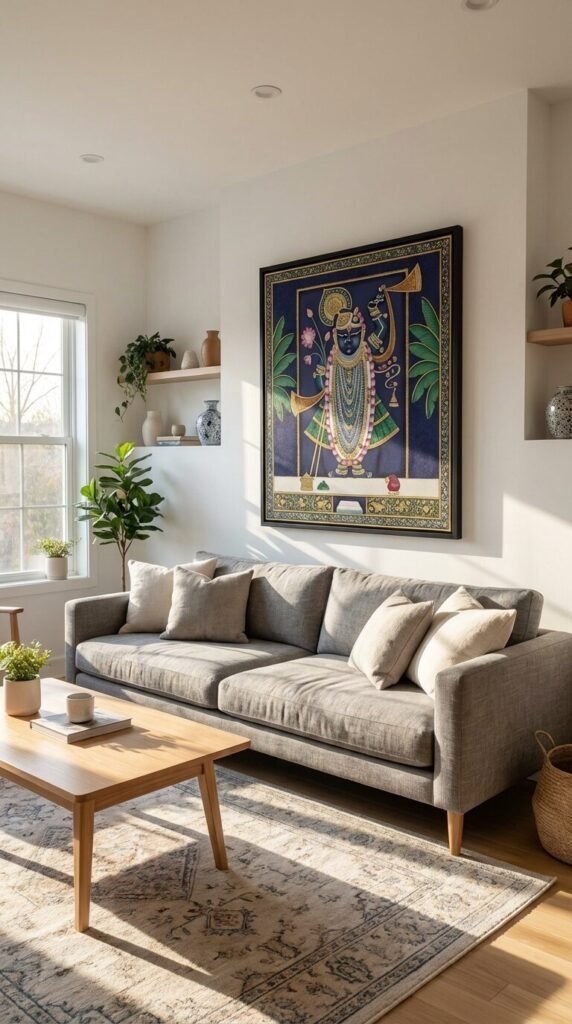
If you’re looking for subtle sophistication, consider the rich, dark jewel tones found in older pieces. Achieving this perfect balance of rich depth and clean simplicity takes finesse, much like achieving the ideal flavor balance in intricate recipes. If you love experimenting with complex yet healthy profiles, you should check out my guide: Your Daily Matcha Just Got a Healthy Upgrade.
Introducing Texture Kalamkari and Warli Textiles
Wall art isn’t just about paint and canvas; it’s about texture. Traditional Indian textile art is your secret weapon for adding warmth without clutter.
Kalamkari, known for its hand-painted narratives and natural dyes (often muted reds, browns, and blacks), is fantastic because it bridges the gap between textile and drawing.
Instead of hanging it like a tapestry, try stretching a large, beautiful Kalamkari piece over a wooden canvas and framing it with a thin teak border. It looks expensive, museum-quality, and introduces beautiful softness.
For a more graphic, minimalist look, I always recommend Warli paintings. These tribal pieces use simple geometric shapes and motifs, typically monochrome (white on brown/ochre), which makes them surprisingly compatible with highly minimalist decor.
Warli art offers a fantastic sense of movement and narrative without overwhelming the eye. It’s a true conversation starter.
Mastering the Global Gallery Wall
The biggest fear about incorporating traditional art is that it will look too “busy.” The key is the gallery wall—but with rules.
You can absolutely mix your minimalist prints and abstract photography with highly ornate Indian pieces, but you must unify them.
The Framing Trick: Use the same style and color of frame (e.g., thin brass or matte black) and the same color of matting across all pieces, regardless of the art style. This creates visual harmony and makes the collection look curated rather than random.
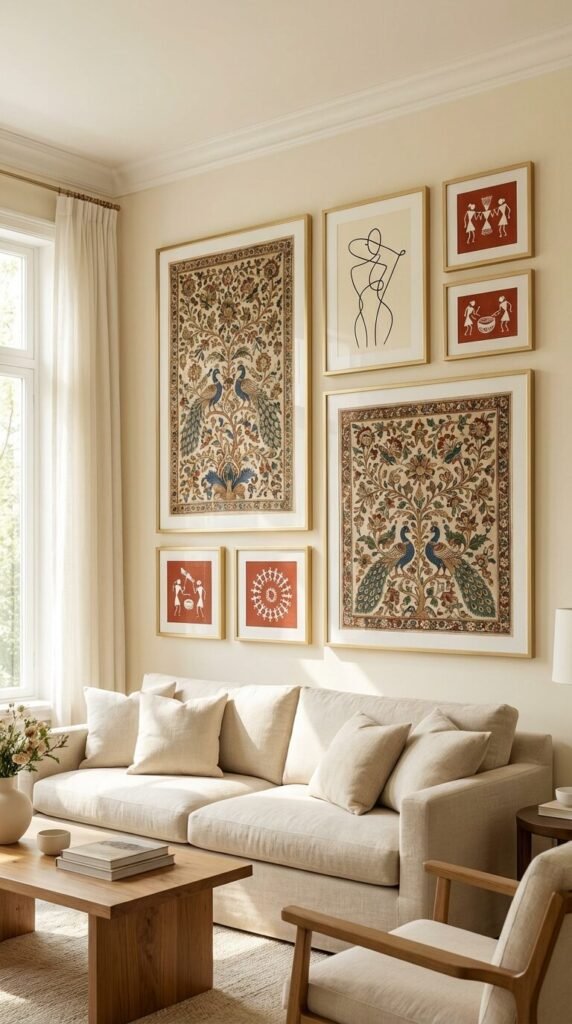
Place a detailed Mandala print next to a modern architectural sketch. The contrast is sophisticated and thoughtful. Curating a gallery wall is an art in itself, demanding attention to layout and flow, much like assembling a beautiful food presentation that tells a story. For inspiration on that kind of detailed arrangement, see my article on Dessert Charcuterie Board Ideas for Your Next Party.
Choosing Quality Over Quantity Investment Pieces
Don’t buy cheap reproductions. Traditional Indian art is a rich legacy, and treating it as such means investing in quality.
Look for pieces made with natural pigments or those authenticated as traditional crafts. Not only does this support the artisans, but the depth of color and texture in a truly handmade piece is irreplaceable.
This approach to home decor echoes how I think about building a timeless wardrobe. Investing in quality pieces that genuinely last and speak to your style is always worth it in the long run. If you are serious about building an investment collection, check out my tips on 11 Clothing Pieces That Never Go Out of Style And Are Worth the Investment.
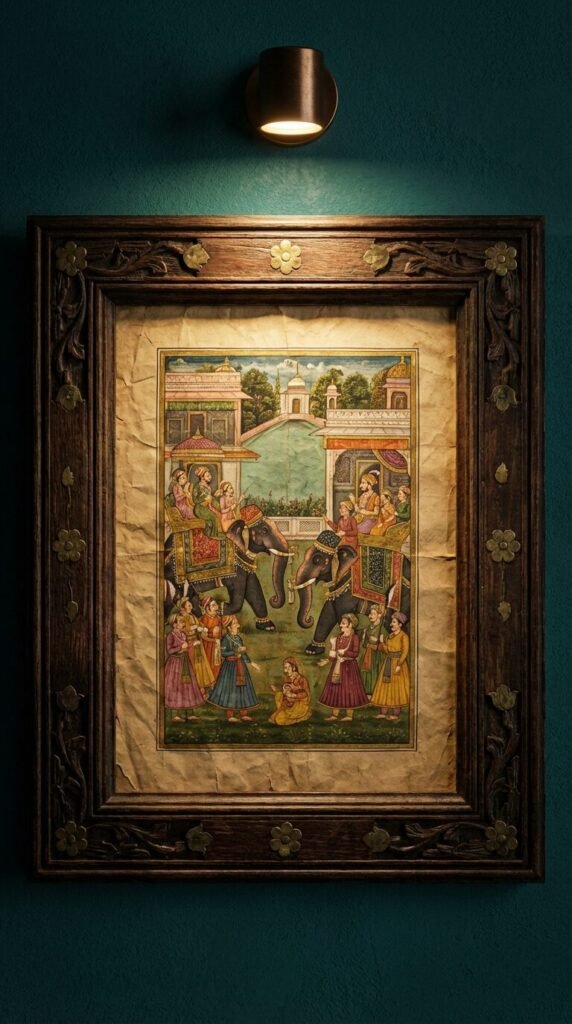
When you focus on just one or two genuinely exceptional pieces, they become the focal point of the room, requiring little else for decoration.
A single, stunning hand-painted Thangka above a fireplace or credenza speaks volumes louder than a dozen mass-produced prints.
Bring Soul Into Your Space
Your home should reflect your journeys, interests, and aesthetic appreciation. By choosing traditional Indian wall art, you’re not just filling a blank space; you’re infusing your modern living room with history, color, and unparalleled craftsmanship.
These pieces introduce a conversation between the sleek lines of contemporary design and the detailed stories of the past.
Go ahead, break free from the minimalist rut, and choose art that truly matters.
Which style will you try first: the intricate Miniature or the textural Kalamkari?