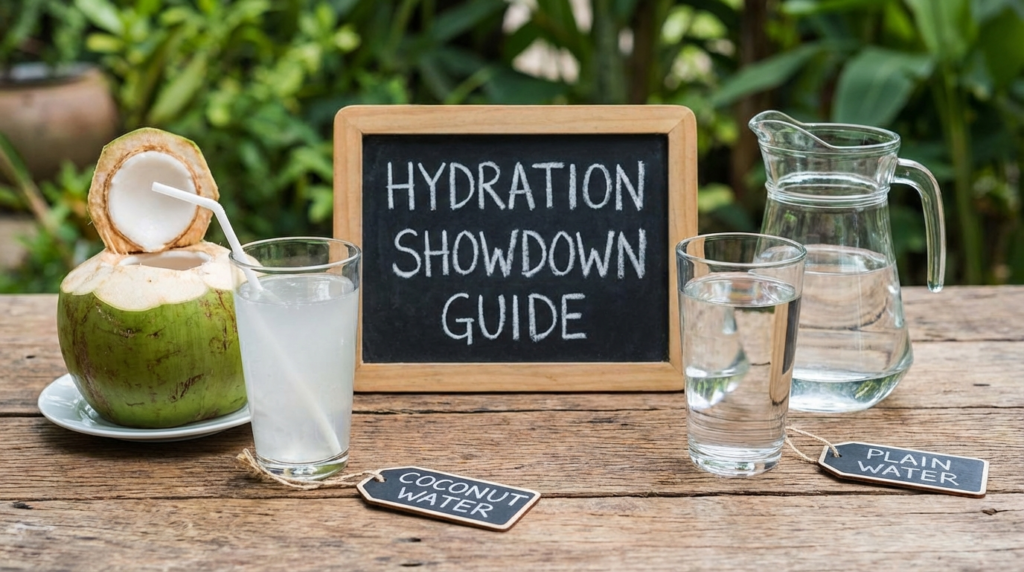
There’s nothing quite like that feeling of a parched throat after a long day, whether it’s been hustling at work, chasing after little ones, or powering through a workout. I remember one summer day, after a particularly sweaty outdoor photo shoot, I felt utterly drained. I reached for a sparkling water, but it just didn’t quite hit the spot. That’s when I started seriously looking into what our bodies truly need to feel refreshed and energized. The debate often boils down to two popular choices: the humble plain water and the trendy coconut water. But which one truly reigns supreme for optimal hydration? Let’s dive in.
This article falls under the Health & Wellness and Lifestyle categories, guiding you toward smarter hydration choices for a vibrant life.
The Timeless Champion: Plain Water
Ah, plain old water. It’s been our go-to for millennia, and for good reason. It’s universally available, incredibly affordable, and quite frankly, indispensable. Our bodies are roughly 60% water, and it plays a critical role in almost every bodily function you can imagine: regulating temperature, lubricating joints, transporting nutrients, and even keeping your skin looking plump and healthy.
For everyday hydration, plain water is simply unmatched. It contains zero calories, no sugar, and no artificial additives. It’s the purest form of hydration, ensuring your body gets exactly what it needs without any extras.
The Tropical Contender: Coconut Water
Move over, plain water, because here comes the tropical star! Coconut water, harvested from young, green coconuts, has exploded in popularity, often touted as nature’s sports drink. And there’s a good reason why.
What makes it special? It’s naturally rich in electrolytes like potassium, magnesium, and sodium. These are vital minerals that help regulate fluid balance in your body, and they’re often lost through sweat.
Coconut water is especially beneficial after intense exercise, during illness with vomiting or diarrhea, or even as a refreshing pick-me-up on a hot day. While it does contain natural sugars and calories, it’s significantly lower in both compared to many commercial sports drinks. It’s got a distinct, slightly sweet, nutty flavor that many find incredibly palatable.

✨ TOP PICK FROM FASHIONAURA.BLOG
High Quality Reusable Water Bottle
Why this fits: Staying hydrated is easier when you have a durable, stylish bottle to carry your plain water or coconut water wherever you go.
Nutritional Face Off: What’s Inside?
To truly understand the difference, let’s look at what each brings to the table, nutritionally speaking. While the exact content can vary, here’s a general comparison for a standard 8-ounce serving:
- Plain Water: 0 calories, 0 sugar, 0 fat, 0 protein. Essentially, just H2O.
- Coconut Water: Around 45-60 calories, 10-15 grams of sugar (natural), trace amounts of protein and fat. Significant source of potassium (often more than a banana), magnesium, and some calcium and sodium.
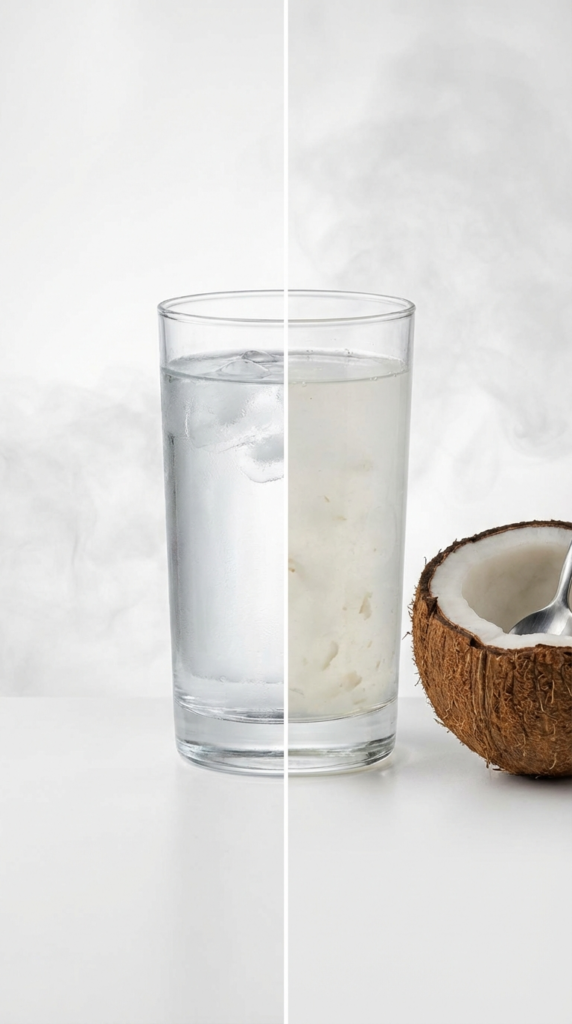
For light activity or just maintaining daily fluid balance, plain water is your ideal, calorie-free choice. However, if you’ve been sweating heavily, feeling run down, or needing a quick energy boost, the electrolytes and natural sugars in coconut water can be incredibly beneficial. It’s like a mini spa treatment for your cells!
Remember, a healthy lifestyle involves making balanced choices. For more ideas on nutritious meals that complement good hydration, check out our guide on A Romantic & Healthy 3 Course Valentine’s Dinner Menu.
When to Choose Which (and Why!)
The “ultimate” choice really depends on your needs and lifestyle. There’s no one-size-fits-all answer, but here’s a guide to help you pick your perfect sip:
Go for Plain Water When:
- Daily Hydration: It’s your best bet for general hydration throughout the day.
- Budget-Friendly: It’s the most economical option.
- Zero Calories/Sugar: If you’re managing weight or blood sugar, plain water is ideal.
- Pure & Simple: For everyday body functions, nothing beats it.
Opt for Coconut Water When:
- Post-Workout Recovery: Replenish electrolytes lost during intense exercise.
- Mild Dehydration: Feeling a little run down or just need a boost.
- Refreshing Treat: It’s a delicious, natural alternative to sugary sodas.
- Electrolyte Boost: If you’re active or live in a hot climate, it can help prevent muscle cramps and fatigue.
Sometimes, life calls for a little extra, especially when you’re preparing for a fun event or active day. For healthy and delicious options to fuel your gatherings, take a look at these 15 Healthy & Gluten Free Galentine’s Party Food Ideas.

✨ TOP PICK FROM FASHIONAURA.BLOG
Top-Rated Electrolyte Powder
Why this fits: When coconut water isn’t available or you need a precise electrolyte boost without extra sugar, this powder is a fantastic alternative for rapid rehydration.
Maximizing Your Hydration Game
No matter your drink of choice, the key is consistency. Hydration isn’t a one-and-done; it’s a lifestyle! Here are some tips I’ve picked up over the years to keep feeling my best:
- Carry a Bottle: Keep your chosen hydration companion close by. I never leave home without mine!
- Set Reminders: If you tend to forget, use a phone app or even a simple alarm.
- Infuse Your Water: Add slices of cucumber, lemon, mint, or berries to plain water for a natural flavor boost without added sugar.
- Listen to Your Body: Thirst is often a sign you’re already mildly dehydrated. Pay attention to how you feel.
- Incorporate Hydrating Foods: Fruits and vegetables like watermelon, oranges, and lettuce are packed with water.
Feeling well-hydrated helps your skin glow and gives you the energy to tackle anything, whether it’s a busy day or getting ready for an event where you want to turn heads in dazzling outfits.

✨ TOP PICK FROM FASHIONAURA.BLOG
Insulated Shaker Bottle
Why this fits: Perfect for keeping your plain water ice-cold or mixing your electrolyte powder seamlessly for on-the-go hydration.
The Hydration Verdict
So, who wins the ultimate hydration showdown? It’s not a knock-out, but a strategic partnership! Plain water remains the undisputed champion for daily, consistent hydration. It’s pure, essential, and free from anything you don’t need. Coconut water, on the other hand, is your powerful secret weapon for targeted rehydration, electrolyte replenishment, and a delicious, natural energy boost when your body calls for it.
The best approach is to embrace both. Drink plenty of plain water every day, and reach for coconut water when you’ve had a vigorous workout, are feeling a bit under the weather, or simply crave its refreshing taste. Listen to your body, experiment, and find the perfect balance that keeps you feeling hydrated, energized, and ready to take on the world!
What’s your go-to for hydration? Let me know in the comments!
FAQs
Q1: Is coconut water better than plain water for daily hydration?
For most people and most days, plain water is superior for daily hydration. It’s calorie-free, sugar-free, and perfectly adequate for maintaining fluid balance. Coconut water offers added electrolytes and natural sugars, which can be beneficial after intense activity or illness, but it’s not necessary for general daily hydration.
Q2: Can I drink too much coconut water?
While generally healthy, drinking excessive amounts of coconut water daily can lead to a few issues due to its sugar and potassium content. Too much potassium can be problematic for individuals with kidney issues, and the natural sugars can add up if you’re watching your caloric intake. Moderation is key, typically a serving or two a day is fine if needed.
Q3: Is flavored water a good substitute for plain water?
It depends on the flavored water. If it’s infused with natural fruits and vegetables with no added sugars or artificial sweeteners, it can be a great way to make drinking water more appealing. However, many commercially flavored waters contain added sugars, artificial sweeteners, and preservatives, making them less ideal than plain water. Always check the label!