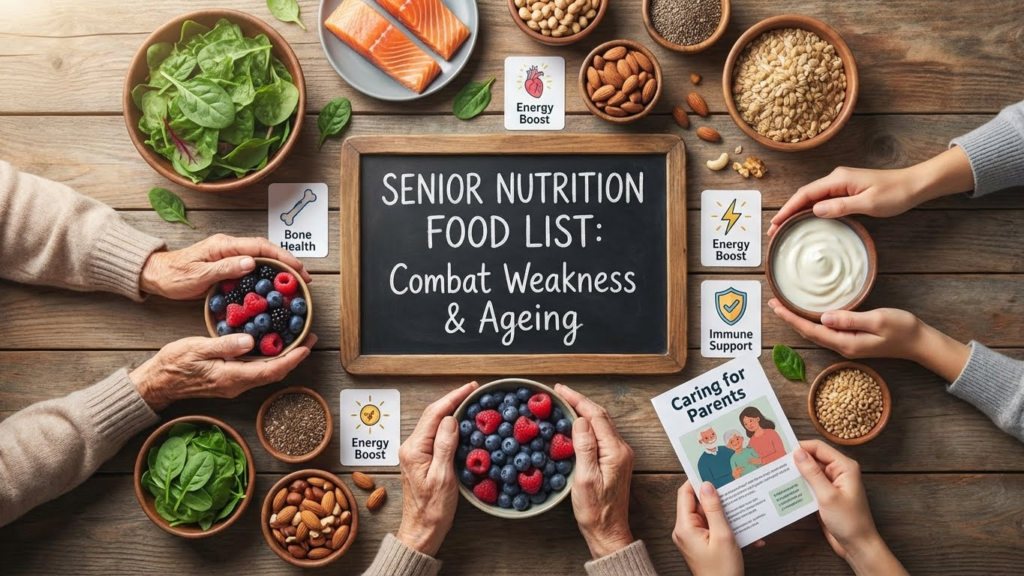
There’s nothing quite like the feeling of anticipating a fresh start after surgery, but the reality of recovery can sometimes feel like a slow crawl. I remember after a minor procedure a few years back, I felt completely drained. My body just wasn’t bouncing back the way I’d hoped, and honestly, the thought of cooking anything beyond toast felt monumental. That’s when I realized: while doctors handle the surgery, I was responsible for fueling my body’s incredible healing process.
It’s not just about what you eat, but how you eat it, and why certain nutrients are your best friends during this critical time. If you’re looking to minimize discomfort, speed up healing, and boost your energy levels post-op, you’ve come to the right place. This guide isn’t just about food; it’s about nourishing yourself back to strength, one delicious, healing bite at a time.
The Foundations of a Super-Healing Post-Op Diet
Think of your body like a superhero rebuilding its fortress after a battle. It needs high-quality building blocks, energy, and an army of defenders. That’s exactly what a well-planned post-surgery recovery meal plan provides!
Your goal is to reduce inflammation, repair tissues, and keep your immune system strong. This means focusing on whole, unprocessed foods that deliver a powerful punch of vitamins, minerals, protein, and healthy fats.
- Protein Powerhouses: Crucial for tissue repair and immune function. Think lean meats, fish, eggs, legumes, and dairy.
- Anti-Inflammatory Allies: Berries, leafy greens, fatty fish (like salmon), turmeric, and ginger can help reduce swelling and pain.
- Fiber for Function: Gentle on your digestive system, fiber from fruits, vegetables, and whole grains prevents constipation, a common post-op issue.
- Hydration Heroes: Water, broths, and herbal teas are essential for flushing toxins and supporting all bodily functions.
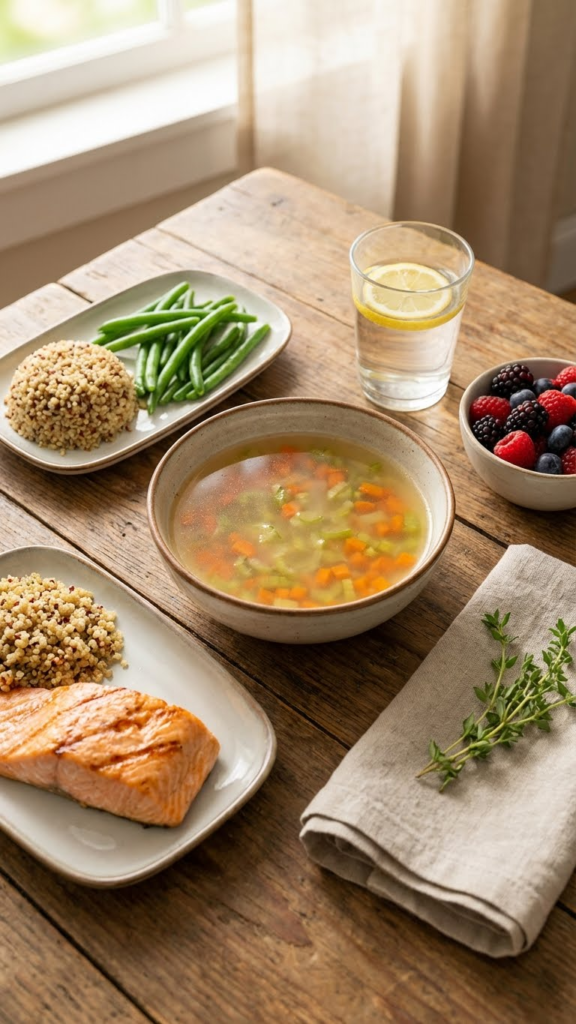
Your Daily Meal Plan for Optimal Recovery
Here’s a sample structure to guide your eating for the first few weeks of recovery. Remember to listen to your body and consult with your doctor or a dietitian for personalized advice.
Breakfast: Fueling Your Start
Kickstart your day with easily digestible, nutrient-dense options. Think soft textures and comforting warmth.
- Option 1: Oatmeal or cream of wheat with a scoop of protein powder, topped with berries and a drizzle of honey.
- Option 2: Scrambled eggs with spinach and a slice of avocado.
- Option 3: A smoothie with Greek yogurt, banana, spinach, and a splash of almond milk.
Lunch: Sustained Energy for Healing
Keep it light but satisfying, ensuring a good balance of protein and complex carbohydrates. This is often when fatigue can set in, so steady energy is key.
- Option 1: Chicken noodle soup (homemade with bone broth for extra nutrients) and a side of soft whole-grain bread.
- Option 2: Tuna salad (made with Greek yogurt instead of mayo) on soft whole-wheat crackers or a bed of mixed greens.
- Option 3: A small baked sweet potato with cottage cheese and a sprinkle of chives.

Dinner: Restorative Meals for Overnight Repair
Your body does a lot of healing while you sleep, so a nutritious dinner sets the stage for overnight recovery. Opt for lean proteins and gentle vegetables.
- Option 1: Baked cod or salmon with mashed potatoes or pureed cauliflower and steamed carrots.
- Option 2: Lean ground turkey or lentil bolognese over gluten-free pasta or zucchini noodles.
- Option 3: A hearty chicken and vegetable stew, slow-cooked until ingredients are tender.
As you start feeling more like yourself and regaining energy, you might even consider getting back into some light fashion styling or a gentle fitness routine. For inspiration on casual winter styles that prioritize comfort, check out our guide on 7 Elevated January Outfits for Casual Winter Style That You’ll Actually Wear.
Snacks: Bridging the Gaps
Small, frequent meals and snacks can prevent blood sugar dips and keep your energy stable.
- Greek yogurt with a few walnuts.
- Apple slices with almond butter.
- Hard-boiled eggs.
- Rice cakes with avocado.
- A small handful of mixed nuts (if tolerated).

Tips for Easier Post-Op Meal Prep
When you’re recovering, the last thing you want to do is spend hours in the kitchen. Here are some tricks to make nourishing yourself easier:
- Batch Cook: Prepare large quantities of soups, stews, or grilled chicken that can be portioned and frozen.
- Pre-Chopped Veggies: Buy pre-cut vegetables or chop them ahead of time for quick additions to meals.
- Smoothie Packs: Assemble bags of frozen fruit and spinach, ready to blend with liquid and protein powder.
- Ask for Help: Don’t be afraid to lean on family or friends to bring meals or help with groceries.
As your recovery progresses and you start regaining your strength, you might even find yourself looking forward to a bit of self-pampering. We all deserve a little treat, and taking care of your hands and nails can be a wonderful pick-me-up. Check out our fantastic ideas for 15+ Stunning Valentine’s Day Nail Designs to Fall in Love With (2026 Edition) once you’re ready to get your nails done!

The Emotional Aspect of Eating Post-Surgery
Recovery isn’t just physical; it’s emotional too. You might experience a loss of appetite, changes in taste, or simply feel too tired to eat. It’s okay. Focus on small, frequent, and nutrient-dense meals. Don’t beat yourself up if you can’t stick to a perfect plan every day. The goal is progress, not perfection.
Remember, this period of rest and recovery is temporary. Soon, you’ll be back to your usual routine, perhaps even exploring new outfits and styles. For tips on winter fashion, check out our guide on The 5 Essential Ways to Style Funnel Neck Coats for a Chill 2026 Everyday Aesthetic.
Embrace Your Healing Journey
Nourishing your body with intention after surgery is one of the most powerful steps you can take toward a faster, smoother recovery. It’s an act of self-love and a testament to your body’s incredible ability to heal. Give it the tools it needs, and you’ll be back on your feet, feeling stronger and more vibrant than ever before!
What are your go-to comfort foods for recovery? Share your wisdom in the comments below! Don’t forget to save this post to your Pinterest board – your future self (or a friend in need) will thank you for these healing meal ideas!
FAQs
Q1: How long should I follow a specialized post-surgery diet?
A: The duration varies depending on the type of surgery, your individual recovery, and your doctor’s recommendations. Generally, focusing on nutrient-dense, easily digestible foods is beneficial for at least 2-4 weeks post-op, or until your energy levels and digestion return to normal. Always consult your healthcare provider for specific guidance.
Q2: What foods should I avoid immediately after surgery?
A: It’s best to avoid highly processed foods, excessive sugar, deep-fried items, and very spicy or acidic foods. These can contribute to inflammation, indigestion, and hinder the healing process. Alcohol should also be avoided as it can interact with medications and dehydrate you.
Q3: What if I have a low appetite after surgery?
A: It’s common to experience a reduced appetite. Focus on small, frequent meals rather than large ones. Prioritize nutrient-dense liquids like bone broth, protein shakes, and smoothies. Eating soft, bland foods can also be easier to tolerate. Don’t hesitate to discuss persistent appetite loss with your doctor.