There was a time when I looked in the mirror and barely recognized myself. My skin was dull, my eyes lacked sparkle, and honestly, I felt exhausted all the time, no matter how much sleep I got. People would often say, “You look a bit pale today,” and I’d just sigh, thinking it was just my natural complexion or stress.
It wasn’t until I visited my doctor and got some blood tests that the truth came out: I was iron deficient, bordering on anemia. The fatigue, the lack of energy, and yes, that tired, pale skin? All connected. That was my wake-up call. I realized that true beauty and radiance start from within, and a glowing complexion isn’t just about topical creams, but what you feed your body.
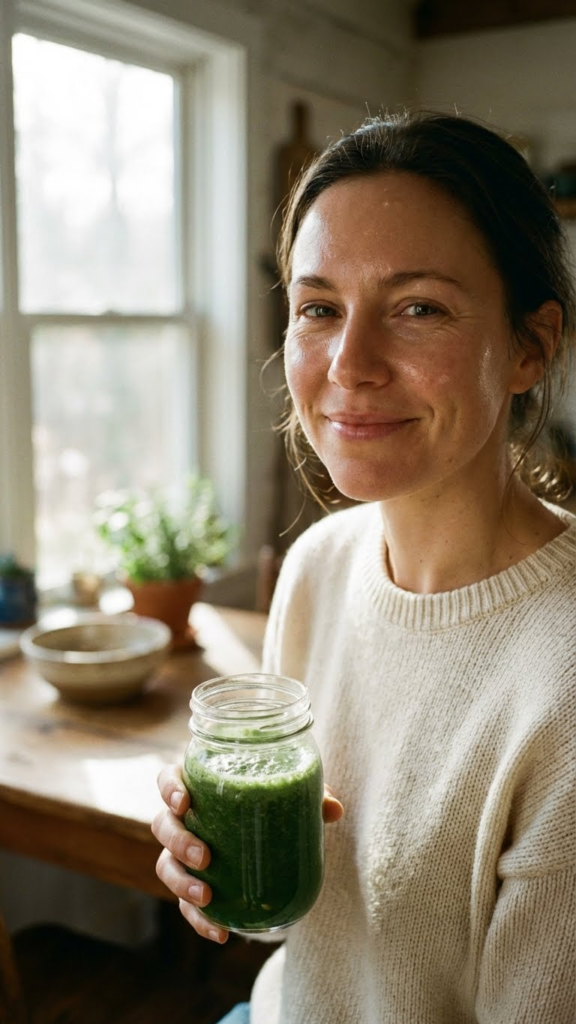
If you’re feeling perpetually tired and your skin looks as exhausted as you feel, you might be experiencing something similar. But don’t worry, there’s a delicious and effective path to feeling vibrant and achieving that coveted healthy glow. This ultimate iron deficiency anemia diet plan is designed to not only boost your energy but also bring back the natural radiance to your skin.
Understanding Iron Deficiency & Your Skin’s Radiance
Iron is a superstar mineral responsible for so much more than just energy. Its primary role is to help create hemoglobin, a protein in red blood cells that carries oxygen from your lungs to the rest of your body. When you don’t have enough iron, your body can’t produce enough healthy red blood cells, leading to a condition called iron deficiency anemia.
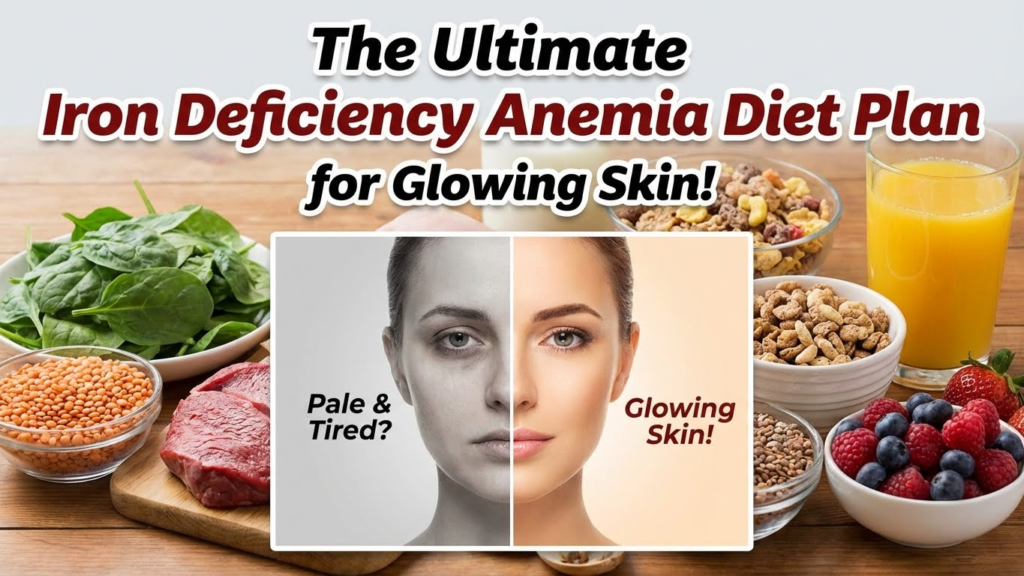
So, what does this have to do with your skin? Well, if your cells aren’t getting enough oxygen, they can’t function optimally. This oxygen deprivation manifests externally as pale, dull, or sallow skin. You might also notice dark circles under your eyes, brittle nails, or even dry, unhealthy-looking hair. Restoring your iron levels directly translates to better oxygen flow, which means healthier, more vibrant skin cells and a natural flush that truly glows.
✨ TOP PICK FROM FASHIONAURA.BLOG
Hydrating Hand Cream with SPF
Why this fits: While you nourish your body from within, protect your skin from the outside with this essential hand cream that keeps hands soft and supple.
The Iron-Rich Powerhouses for Your Plate
The good news is that you can significantly improve your iron levels through diet. There are two main types of iron found in food: heme iron and non-heme iron.
Heme Iron: The Fast Track to Vitality
Heme iron is found in animal products and is more readily absorbed by your body. It’s often considered the most efficient way to boost your iron intake.
- Lean Red Meats: Beef, lamb, and venison are excellent sources. Aim for a few servings per week.
- Poultry: Chicken and turkey, especially the darker meat, contain good amounts of heme iron.
- Seafood: Clams, oysters, mussels, and fatty fish like tuna and salmon are fantastic options.
- Liver & Organ Meats: While not for everyone, these are incredibly rich in iron.
Non-Heme Iron: Plant-Based Glow Boosters
Non-heme iron comes from plant sources and fortified foods. While its absorption isn’t as high as heme iron, you can significantly boost it (more on that next!).
- Legumes: Lentils, chickpeas, beans (kidney, black, pinto), and soybeans are powerhouse choices.
- Dark Leafy Greens: Spinach, kale, Swiss chard, and collard greens are packed with iron.
- Fortified Cereals: Many breakfast cereals are fortified with iron, making them an easy addition.
- Nuts & Seeds: Pumpkin seeds, sesame seeds, cashews, and almonds.
- Dried Fruits: Raisins, prunes, and apricots.
- Tofu & Tempeh: Great plant-based protein sources that also provide iron.
Remember, a varied diet is key. For more tips on overall wellness and how it reflects in your appearance, check out our post on Finding the Perfect Nail Shape for Your Hands – healthy nails are often a sign of good internal health!
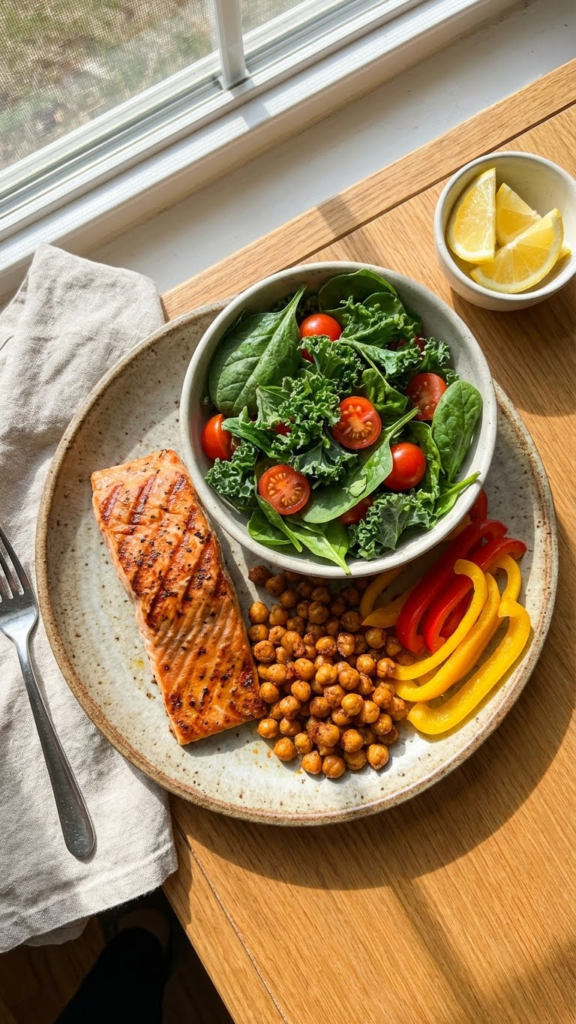
Boosting Absorption: Vitamin C is Your Best Friend
Here’s a crucial secret for maximizing your non-heme iron intake: pair it with Vitamin C! Vitamin C acts as a powerful enhancer, significantly improving the absorption of non-heme iron.
Think about it like this: have a spinach salad? Add some strawberries or bell peppers. Eating lentils? Squeeze some lemon juice over them. This simple trick makes a huge difference!
Excellent sources of Vitamin C to pair with your iron-rich meals:
- Citrus fruits (oranges, grapefruits, lemons)
- Berries (strawberries, blueberries, raspberries)
- Bell peppers (especially red and yellow)
- Broccoli and Brussels sprouts
- Tomatoes
✨ TOP PICK FROM FASHIONAURA.BLOG
Cuticle Oil Treatment Pen
Why this fits: Strong, healthy nails and cuticles are another sign of good internal health and contribute to an overall polished look.
Foods to Limit (The Iron Blockers)
While focusing on iron-rich foods is key, it’s also important to be aware of substances that can inhibit iron absorption. These aren’t necessarily “bad” foods, but it’s best to consume them between iron-rich meals, rather than with them.
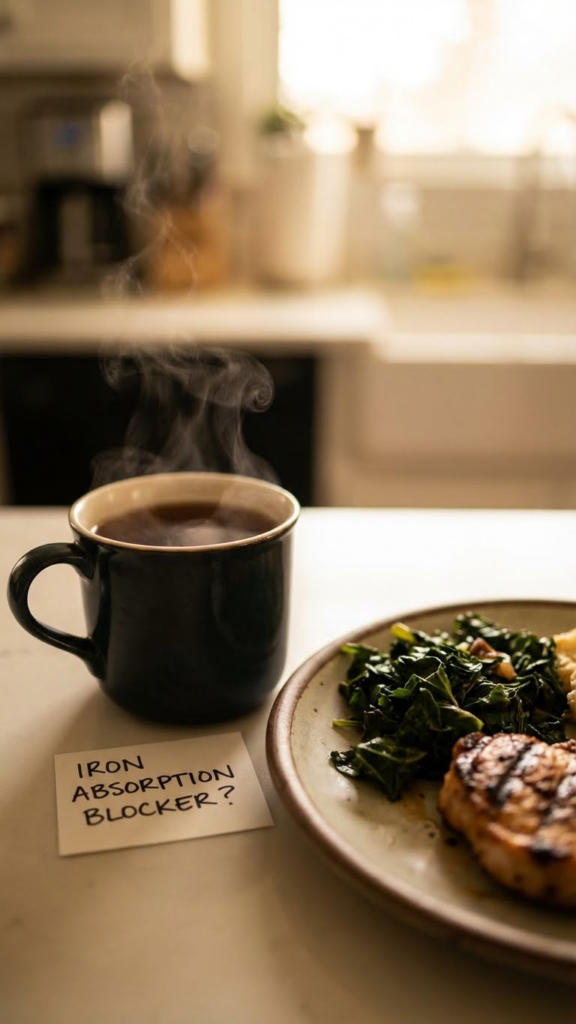
- Coffee and Tea: Tannins and polyphenols found in coffee and tea can bind to iron and reduce its absorption. Enjoy your morning brew an hour or two before or after your iron-rich meal.
- Calcium: While essential, calcium can also interfere with iron absorption. If you take calcium supplements or consume dairy products, try to separate them from your main iron-rich meals.
- Phytates: Found in whole grains, legumes, and nuts. Soaking or sprouting these foods can help reduce phytate content.
Crafting Your Daily Anemia Diet for Radiant Skin
Putting it all together for that amazing glow and sustained energy!
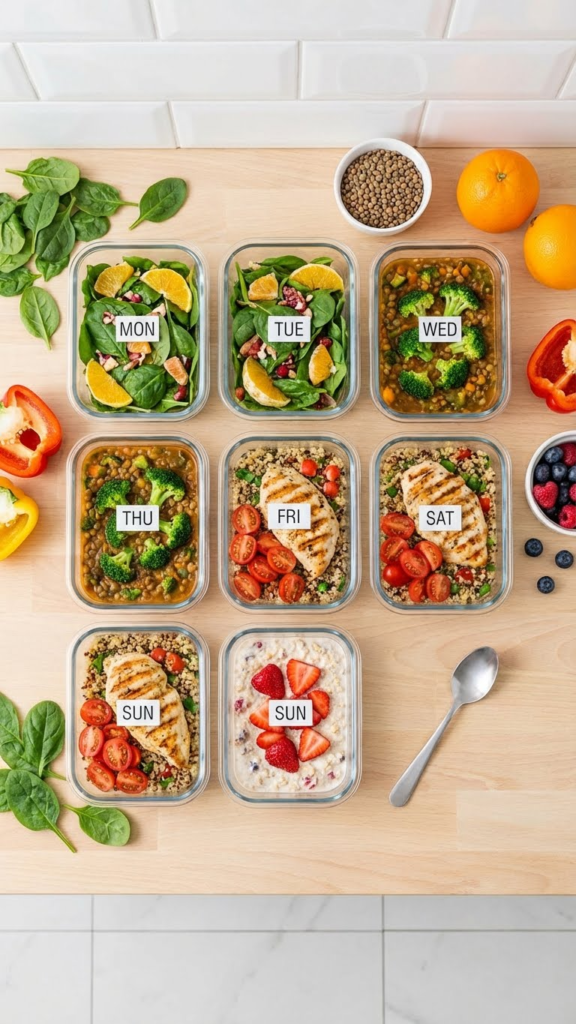
- Breakfast: Oatmeal with a handful of dried apricots and pumpkin seeds, paired with a glass of orange juice. Or fortified cereal with berries.
- Lunch: A vibrant spinach salad with chickpeas, bell peppers, grilled chicken or tofu, and a lemon-tahini dressing.
- Snack: A small handful of almonds and a kiwi.
- Dinner: Lean beef stir-fry with broccoli and red bell peppers, served over brown rice. Or lentil soup with a side of whole-grain bread and a small fruit salad.
Consistency is key. Making these dietary changes part of your lifestyle will not only help combat iron deficiency but also promote overall health, leading to that radiant, natural glow you’ve been dreaming of. When you feel good on the inside, it truly shows on the outside, whether it’s in your vibrant skin or even in the confidence you carry in your everyday outfits, like those featured in our 7 Elevated January Outfits post.
✨ TOP PICK FROM FASHIONAURA.BLOG
Light Pink Gel Polish Set
Why this fits: Embrace a soft, radiant look on your nails to complement your new inner glow and overall beauty routine.
Ready to Reclaim Your Radiance?
Say goodbye to pale, tired skin and hello to a vibrant, energetic you! By making intentional choices with your diet, you’re not just fighting anemia; you’re investing in your overall health and the undeniable glow that comes from true internal wellness. This isn’t just a diet; it’s a pathway to feeling fantastic and looking absolutely radiant.
Don’t let iron deficiency hold you back any longer. Start incorporating these iron-rich foods and absorption boosters into your daily routine. You’ll be amazed at the transformation, both in your energy levels and in the mirror. Your glowing skin will thank you!
Loved these tips? Pin this post to your “Healthy Eating” or “Beauty Hacks” board on Pinterest to inspire your journey to radiant health!
FAQs
How quickly will I see results from this diet?
While individual results vary, many people start feeling more energetic within a few weeks of consistently following an iron-rich diet and boosting absorption. Visible changes in skin radiance can also begin to appear within a month or two, as your body rebuilds its iron stores and oxygen delivery improves. Always consult your doctor for personalized advice and to monitor your iron levels.
Can I get enough iron from a vegetarian diet?
Absolutely! It requires mindful planning, but a well-balanced vegetarian diet can provide ample iron. Focus on a wide variety of non-heme iron sources like lentils, beans, dark leafy greens, fortified cereals, and nuts. Crucially, always pair these with Vitamin C-rich foods to maximize absorption. Consider cooking in a cast-iron pan, too, as this can subtly increase iron content!
What are other signs of iron deficiency besides pale skin?
Besides pale skin and fatigue, common signs include shortness of breath, dizziness, cold hands and feet, brittle nails (sometimes spoon-shaped), headaches, restless legs, and even cravings for non-food items like ice (a condition called pica). If you suspect you have iron deficiency, it’s essential to get a proper diagnosis from a healthcare professional.